Every year Oregon residents must complete Form 40, the state's individual income tax return, to report earnings and claim deductions. The form captures wages, interest, and other taxable income, and it determines the amount owed or refund due. Filing accurately helps avoid penalties and maximizes potential savings.
Context and Purpose
Form 40 serves as the primary tool for Oregon’s tax administration, ensuring that each taxpayer contributes fairly to public services. Understanding its layout and required fields is essential for anyone navigating the state’s tax system.
Key Components to Review
Income Reporting
The top portion of the form requests total income from various sources. Wages listed on a W‑2, freelance earnings reported on a 1099‑NEC, and interest from bank accounts each have dedicated lines. Accurate entry of these amounts forms the foundation of a correct return.
- Verify that all W‑2 forms are included.
- Add any 1099‑NEC or 1099‑INT income.
- Include supplemental schedules for capital gains or rental income.
Action Steps for Accurate Filing
Step‑by‑Step Process
Begin by gathering all income documents, then follow the sequence outlined on the form’s instruction sheet. The process mirrors a methodical approach, similar to the SIFT technique used for clear comprehension.

- Collect W‑2, 1099, and other income statements.
- Enter totals on the income lines; double‑check calculations.
- Review the deduction and credit sections for eligibility.
- Compute tax liability using the provided tables.
- Submit the completed form electronically or by mail before the deadline.
Implications for Taxpayers
Correct filing influences both the amount owed and the refund received. Errors can trigger notices, interest charges, or penalties, while thorough use of available credits can reduce liability significantly. Staying informed about recent changes to Oregon’s tax brackets and standard deductions ensures compliance and optimal financial outcomes.
Tips for Ongoing Tax Management
Keeping accurate records throughout the year simplifies the end‑of‑year process. Store digital copies of W‑2s, 1099s, and receipts in a dedicated folder, and update a spreadsheet that tracks deductible expenses such as home office costs or charitable contributions.
Maintain Organized Records
When documentation is readily accessible, the risk of missing income or overlooked deductions drops dramatically. A tidy system also speeds up any future audits or inquiries from the Oregon Department of Revenue.
Review Credits Annually
Tax credits, unlike deductions, directly lower the tax bill. Oregon offers credits for energy‑efficient home improvements, child care, and higher education. Checking eligibility each year ensures you capture any new opportunities that may arise.
By following these practical steps, taxpayers can approach Form 40 with confidence, reduce the likelihood of errors, and maximize the financial benefits available under Oregon’s tax framework.
Common Mistakes to Avoid
Many taxpayers overlook the need to reconcile W‑2 and 1099 income, leading to mismatched totals. Failing to claim eligible credits, such as the Oregon Earned Income Credit, can result in higher tax liability. Additionally, submitting the form past the deadline incurs interest and penalties, which can be avoided by filing on time or requesting an extension.
Missing W‑2 and 1099 Reconciliation
Cross‑checking the amounts reported on your W‑2 with those on any 1099 forms ensures that all taxable earnings are accounted for. Discrepancies often arise from multiple employers or gig‑economy work, and a simple spreadsheet comparison can prevent errors.
Overlooking Credit Eligibility
Many taxpayers miss the chance to claim the Residential Energy Credit, which applies to qualifying home upgrades such as insulation or solar panels. The Child and Dependent Care Credit requires proof of payments for care services, and failing to attach the necessary documentation can forfeit the benefit. Reviewing the Oregon Department of Revenue website each quarter helps keep track of available credits and filing deadlines.
What's So Funny About Peace And Love & Understanding? - Get Real Post
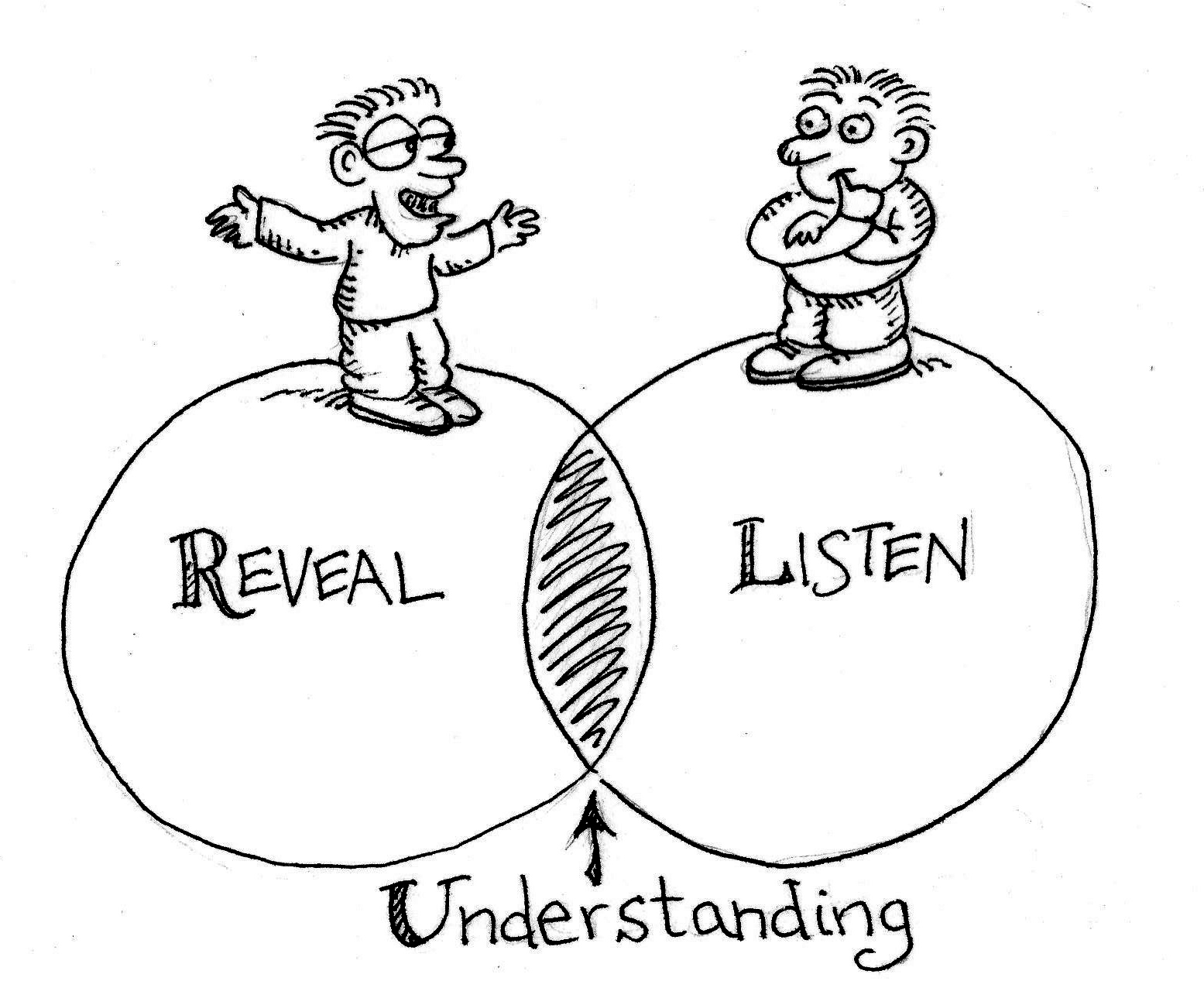
What's So Funny About Peace and Love & Understanding? - Get Real Post
Understanding - Free Of Charge Creative Commons Tablet Dictionary Image

Understanding - Free of Charge Creative Commons Tablet Dictionary image
Ideas — The Learner's Way

Ideas — The Learner's Way