When the calendar flips to the day you’ll sign the papers, the excitement of owning a new home can be eclipsed by last‑minute chaos. A well‑orchestrated plan—one that treats the closing like a scheduled event rather than a surprise—keeps stress at bay and ensures every required document, payment, and inspection arrives on time.
Gather the Essentials Early
Start the checklist at least three weeks before the closing date. The most common items that slip through the cracks are:
- Proof of homeowner’s insurance that meets the lender’s coverage minimum.
- Identification for all signers—driver’s licenses, passports, or state IDs.
- Closing disclosure from the lender, which must be reviewed at least three days prior.
- Funds for closing costs—wire transfer instructions are usually sent by the title company.
- Any required home appraisal or inspection reports that the buyer’s lender may still request.
Storing these items in a dedicated “closing folder” (physical or digital) lets you locate a missing piece before it becomes a roadblock.
Coordinate the Final Walk‑Through
The final walk‑through is the buyer’s last chance to verify that the property’s condition matches the contract. Schedule it for the morning of the closing, after the seller has vacated but before the escrow agent signs off. Bring a flashlight, a notepad, and a copy of the purchase agreement so you can compare every room to the agreed‑upon terms.
Set Up Closing Day Logistics
Just as a dinner host arranges plates and utensils before guests arrive, a home buyer should line up the logistical pieces that make the day run smoothly.

- Location: Confirm whether the signing will occur at the title office, lender’s office, or a remote venue. Map the route and note parking options.
- Timing: Ask the escrow officer for an estimated start time and block at least two hours in your calendar for signatures, questions, and a brief review of the deed.
- Attendance: Verify which parties—agents, attorneys, or co‑buyers—must be present, and ensure they have the correct address and contact numbers.
Secure Utilities and Services
Utility providers typically require a 48‑hour notice to transfer service. Call electricity, gas, water, and internet companies the week before closing and schedule activation for the day after you receive the keys. If you’re moving into a community with HOA fees, arrange for the first payment to be due on move‑in day.
Plan the Move with Precision
Hire a moving crew or reserve a rental truck at least two weeks in advance. Create a room‑by‑room inventory to tag boxes, which helps you locate essential items during the chaotic unpacking phase. If the seller has agreed to leave appliances, double‑check that they are functional before the closing; a broken fridge can cause an unexpected expense.
Review and Sign the Closing Disclosure
The Closing Disclosure breaks down every cost—loan origination fees, title insurance, recording fees, and prepaid interest. Compare it line‑by‑line with the Loan Estimate you received earlier. Any discrepancy should be raised with the lender or escrow officer before signing, as the document becomes binding once you endorse it.
Final Checklist Before You Leave the Table
- Confirm the wiring instructions for the closing fund transfer.
- Verify that the title search shows a clean chain of ownership.
- Ensure the seller has removed all personal belongings and left the property in “broom‑clean” condition.
- Ask for copies of the deed, mortgage note, and any other signed documents for your records.
- Celebrate responsibly—grab a coffee, take a photo of the new front door, and start planning the first night in your new home.
By treating the closing date as an event that demands the same preparation as a formal dinner, you can avoid surprises, meet every deadline, and step through the front door with confidence. A proactive, detail‑oriented approach turns a potentially stressful milestone into a smooth transition, letting you focus on the excitement of homeownership rather than the paperwork.
What Does Luke 22:8 Mean? | Bible Art

What does Luke 22:8 mean? | Bible Art
To Prepare For: Prepare For Prepare To 違い – EKNYRU
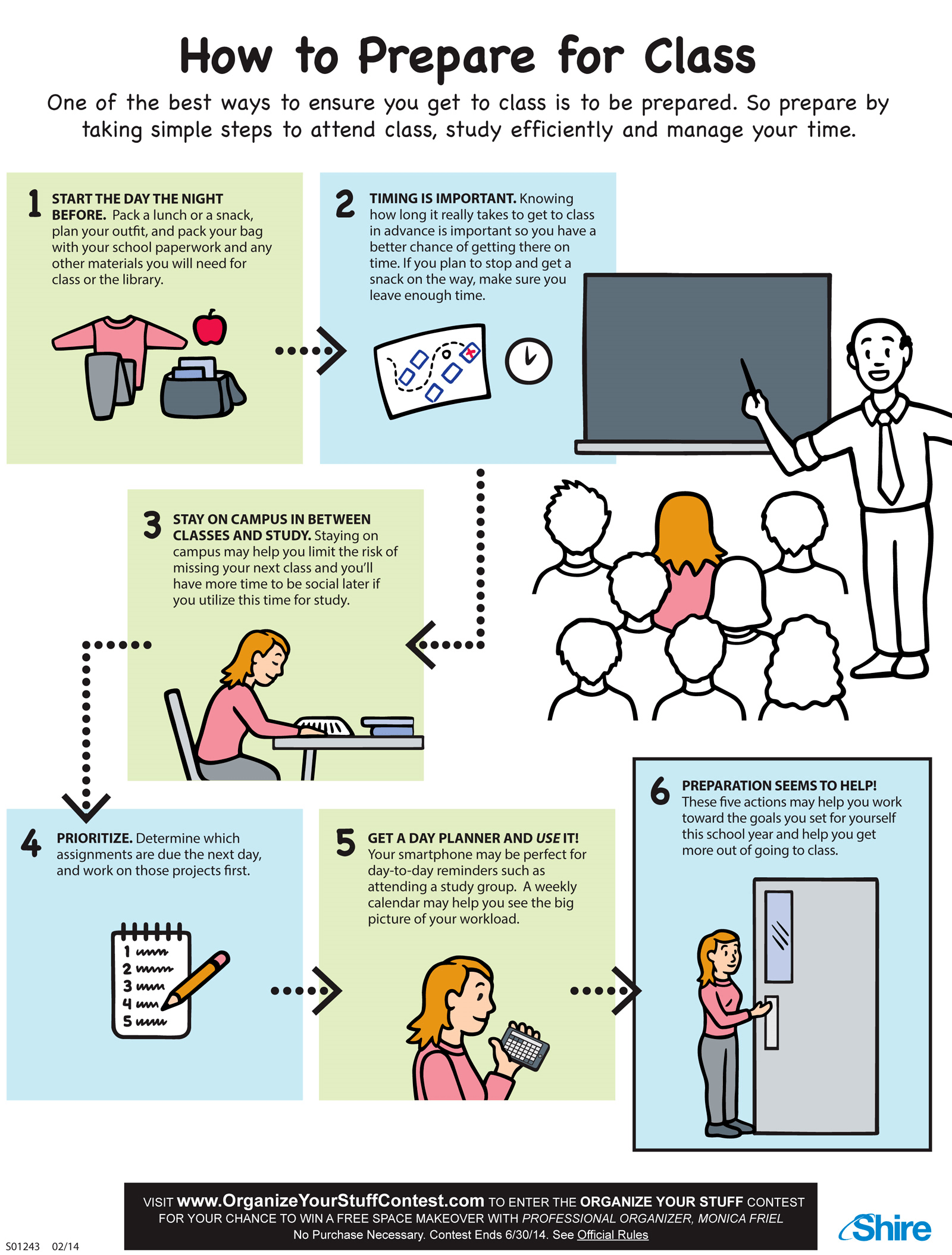
to prepare for: prepare for prepare to 違い – EKNYRU
How To Prepare Coconut Water

How To Prepare Coconut Water
[Tổng Hợp - Combo] Cambridge Prepare (Student Book + Workbook) | 6
![[Tổng Hợp - Combo] Cambridge Prepare (Student Book + Workbook) | 6](https://sachtienganh365.com/wp-content/uploads/2023/09/Prepare.jpg)
[Tổng Hợp - Combo] Cambridge Prepare (Student Book + Workbook) | 6 ...