The newest release of NRMP match statistics reveals a subtle but meaningful shift in residency competitiveness, prompting applicants to reassess where they stand and how they should prepare. While overall match rates remain high, certain specialties are tightening, and geographic patterns suggest new hotspots for both applicants and programs.
Context: Why the Match Landscape Is Evolving
The National Resident Matching Program has long served as the gateway from medical school to graduate training, yet its dynamics are anything but static. Each year, the pool of U.S. and international medical graduates expands, while the total number of accredited residency positions grows at a slower pace. This imbalance is amplified in specialties such as dermatology, orthopedic surgery, and radiology, where applicant‑to‑position ratios routinely exceed 3 : 1. Conversely, primary‑care fields like family medicine and internal medicine often report surplus slots, especially in rural locales.
Recent policy changes—most notably the transition of USMLE Step 1 to pass/fail—have also reshaped how programs evaluate candidates, pushing greater weight onto clinical grades, research output, and extracurricular experiences. The cumulative effect is a match environment that rewards strategic planning as much as academic achievement.
Key Trends Uncovered by the Latest Charts
Data visualizations from the latest NRMP release highlight three notable patterns:
- Increasing concentration in high‑demand specialties. The share of applicants targeting the top ten most competitive fields has risen by roughly 5 % over the past two cycles.
- Geographic diversification. Programs in the Midwest and Southeast are seeing a higher proportion of out‑of‑region applicants, suggesting a softening of traditional regional loyalties.
- Elevated emphasis on research and extracurriculars. With Step 1 scores no longer a differentiator, programs report a 12 % uptick in the importance of scholarly activity during applicant screening.
Pros and Trade‑offs for Prospective Residents
Understanding these trends delivers tangible advantages. Applicants who align their specialty choices with market realities can broaden their rank lists, improving the odds of securing a spot. Moreover, awareness of geographic shifts encourages candidates to explore programs they might have previously dismissed.
However, the same insights bring trade‑offs. The heightened focus on research can disadvantage students from institutions with limited research infrastructure, and the growing competition in coveted specialties may intensify interview fatigue. Balancing ambition with realism becomes essential to avoid burnout during the match process.
Realistic Expectations for the Upcoming Cycle
For most applicants, the forthcoming match will mirror prior years: a strong overall match rate paired with heightened difficulty in the most selective specialties. Candidates should anticipate:
- More rigorous interview panels that probe deeper into personal statements and clinical experiences.
- Potentially longer decision timelines as programs deliberate on a broader array of qualifiers.
- A need to maintain flexibility—both in specialty preference and geographic location—to accommodate the evolving applicant landscape.
Actionable Recommendations
Armed with the latest NRMP charting outcomes, applicants can take concrete steps to strengthen their position:
- Broaden your specialty horizon. Include at least two less competitive fields on your rank list to safeguard against unexpected setbacks.
- Invest in research or quality improvement projects. Even modest involvement can differentiate you when Step 1 scores no longer dominate.
- Target emerging geographic hubs. Look beyond traditional program strongholds—Midwest and Southern institutions now offer expanding opportunities.
- Polish your narrative. A compelling personal statement that weaves clinical insight with community impact resonates more than ever.
- Stay organized. Track application deadlines, interview schedules, and post‑interview communication to avoid last‑minute pitfalls.
By interpreting the latest NRMP trends thoughtfully, applicants can navigate the match with confidence, turning data‑driven insights into practical advantages without losing sight of the broader goal: finding a residency that aligns with both professional aspirations and personal well‑being.
Skechers GO WALK FLEX SANDAL - SUNSHINE Marine - Chaussures Sandale
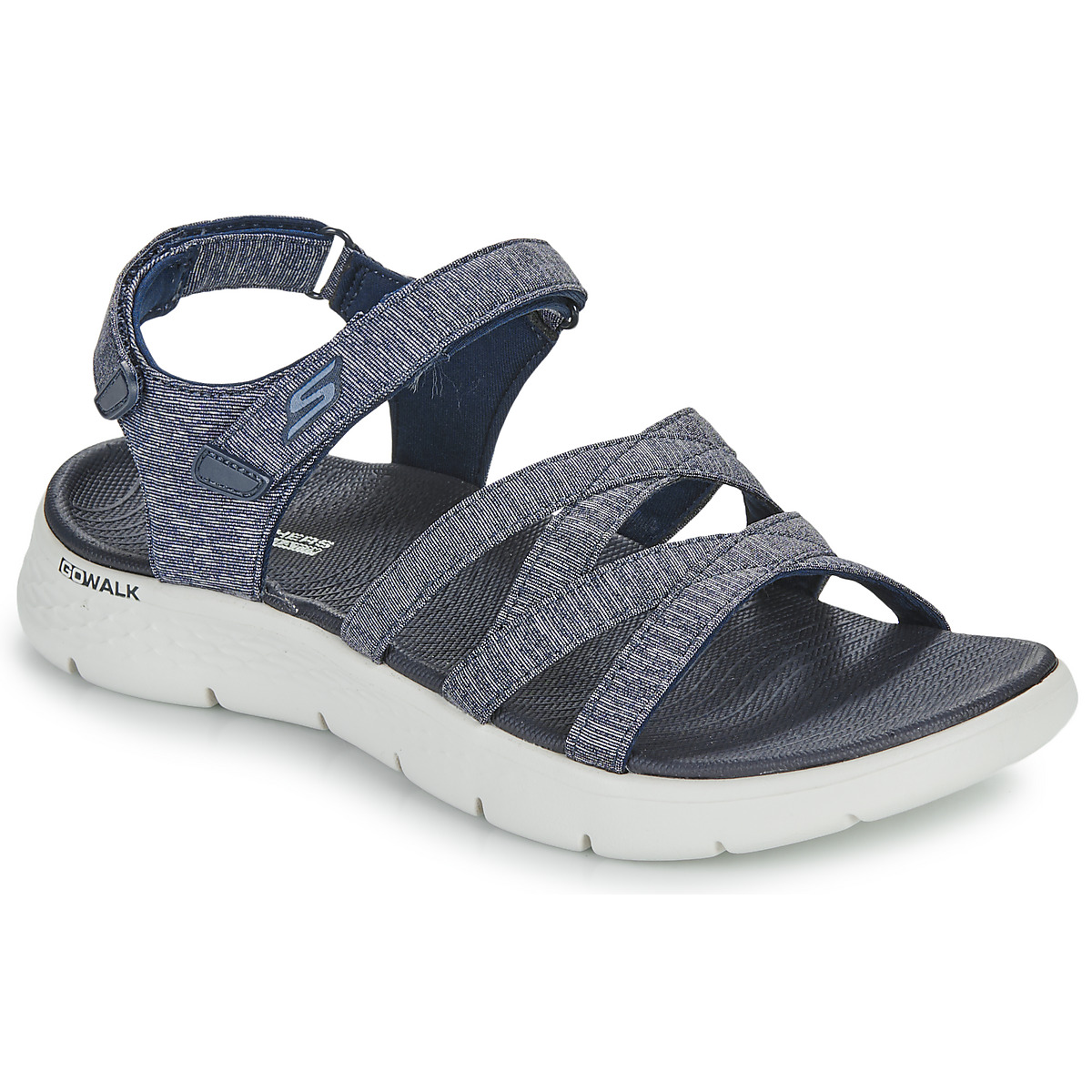
Skechers GO WALK FLEX SANDAL - SUNSHINE Marine - Chaussures Sandale ...
SANDALE FEMME Skechers Slip-ins Go Walk Flex Sandal - Illumin BLEU
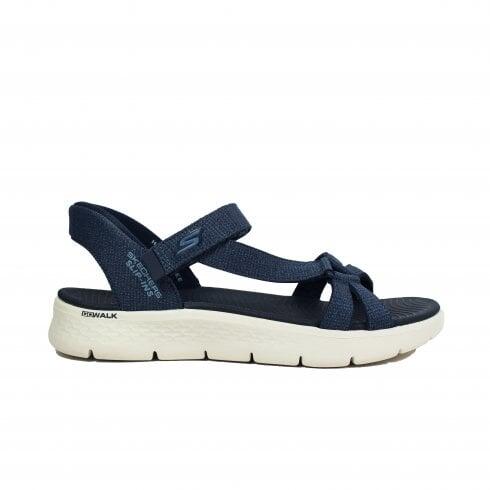
SANDALE FEMME Skechers Slip-ins Go Walk Flex Sandal - Illumin BLEU ...
SANDALE DE MARCHE SPORTIVE FEMME SKECHERS ON THE GO 600 BEIGE SKECHERS
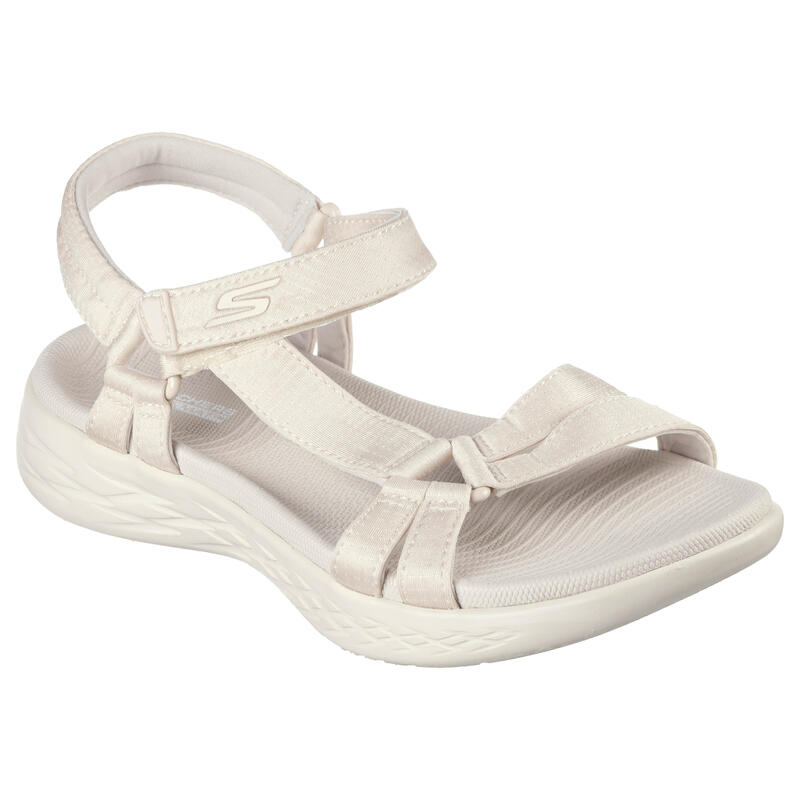
SANDALE DE MARCHE SPORTIVE FEMME SKECHERS ON THE GO 600 BEIGE SKECHERS ...
Skechers Slip-Ins: Reggae Slim - Stretch Flex Beige - Chaussures

Skechers Slip-Ins: Reggae Slim - Stretch Flex Beige - Chaussures ...
Sandales Skechers Summits - Sweetly Ev, Bleu, Femmes SKECHERS | Decathlon
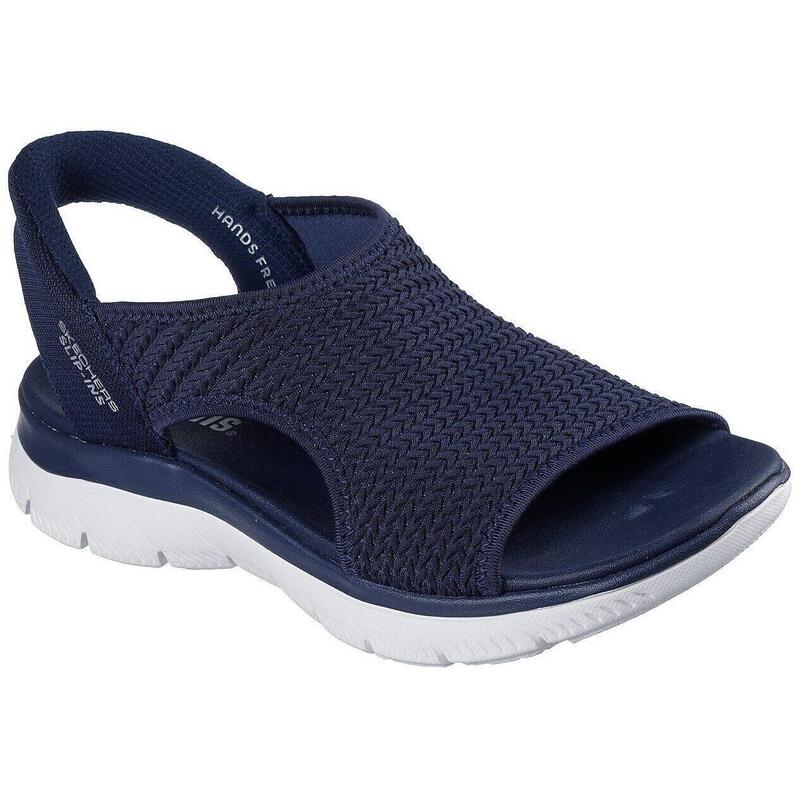
Sandales Skechers Summits - Sweetly Ev, Bleu, Femmes SKECHERS | Decathlon