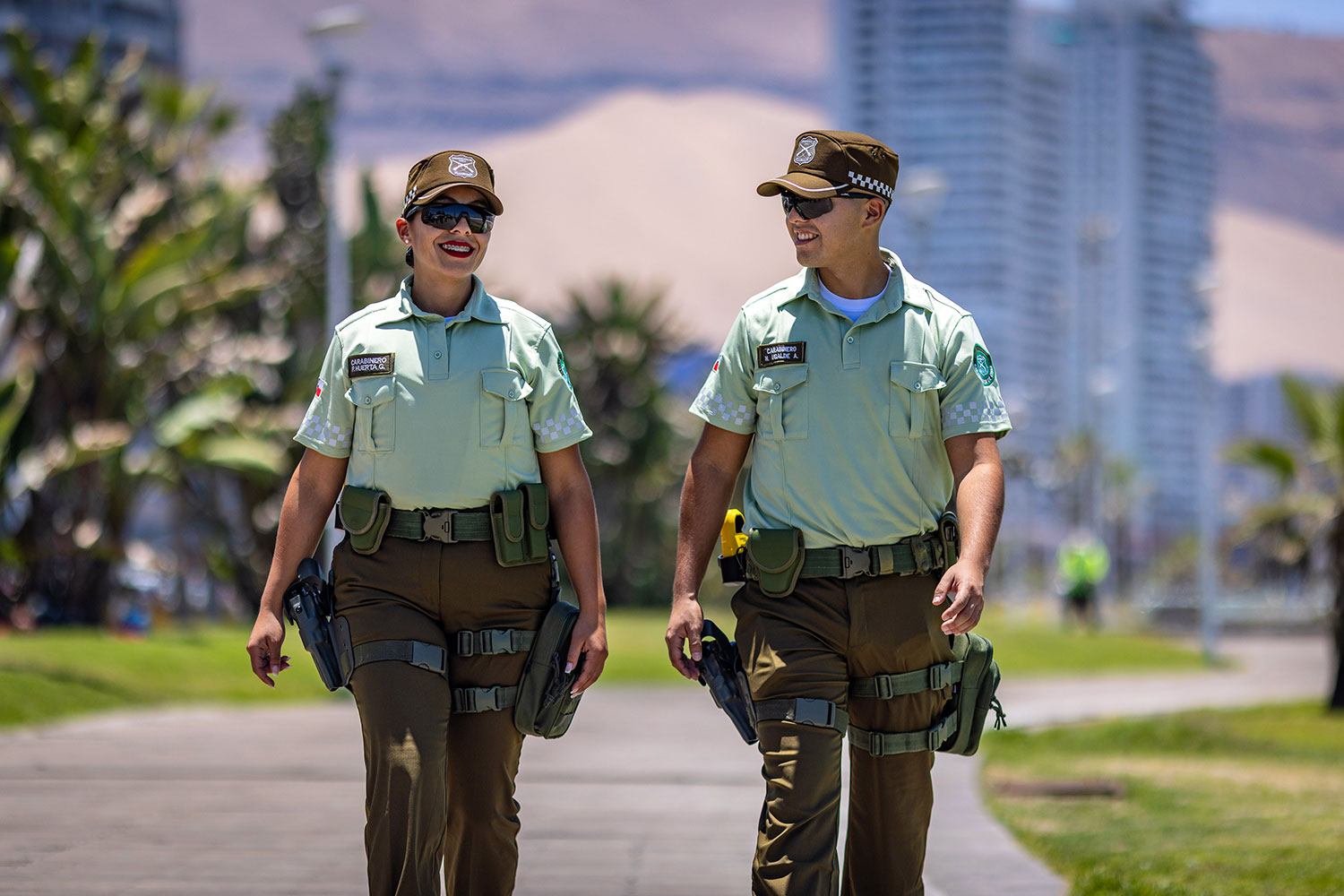
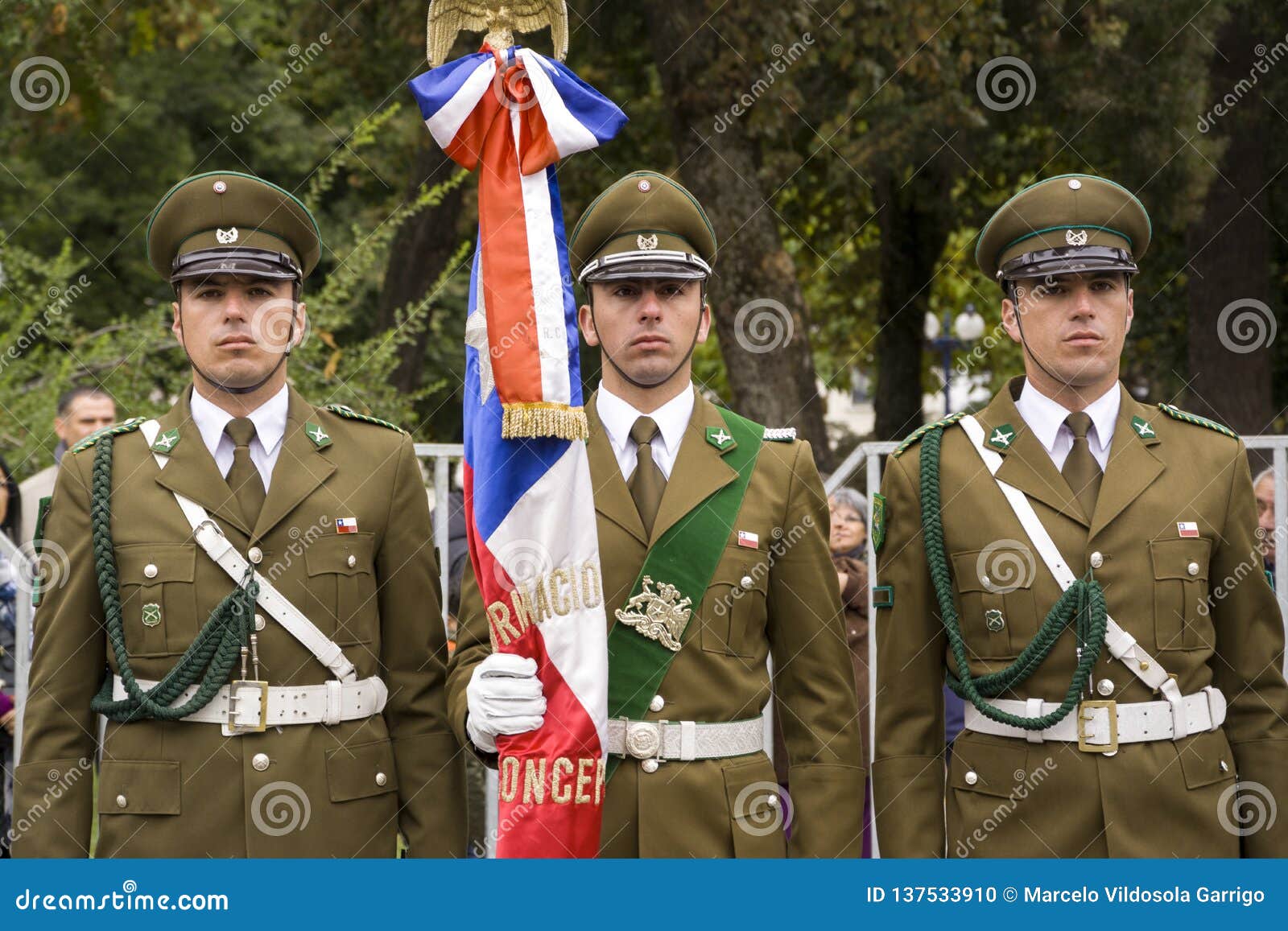
The national police force of Chile, Carabineros, has rolled out a modernized uniform that blends functional safety with a contemporary visual identity. Designed to improve officer ergonomics while reinforcing the institution’s public image, the change arrives as part of a broader effort to align policing standards with international best practices.
What prompted the redesign of the Carabineros uniform?
Following a series of internal audits and public consultations, Carabineros identified several shortcomings in the legacy attire—limited breathability, outdated insignia, and a color palette that did not reflect modern safety standards. The agency commissioned textile specialists to develop a fabric that offers moisture‑wicking properties and reinforced stitching for durability during field operations. The result is a uniform that meets both tactical needs and the aesthetic expectations of a 21st‑century police force.
How does the new look differ from the previous version?
Key visual shifts include:
- Color scheme: A darker navy replaces the older bright blue, reducing heat absorption and improving visibility in low‑light scenarios.
- Insignia placement: Rank badges are now positioned on the chest and shoulders for quicker identification.
- Material technology: Advanced polymer blends provide resistance to tears and chemical exposure, a step up from the cotton‑based fabrics used before.
Beyond aesthetics, the redesign incorporates concealed pockets for body‑camera equipment and first‑aid kits, addressing operational feedback that the old uniform lacked built‑in storage solutions.
Why is the public image of Carabineros a focal point of this initiative?
In recent years, the agency has faced scrutiny over community relations, prompting leaders to emphasize transparency and approachability. A uniform that appears professional yet less intimidating can help bridge gaps between officers and citizens, especially during community outreach events. This strategy mirrors similar reforms in other Latin American forces, where visual rebranding has been tied to measurable improvements in public trust.
What are the immediate implications for day‑to‑day policing?
Officers report a noticeable reduction in fatigue during extended patrols, thanks to the breathable fabric and ergonomic tailoring. Training modules have been updated to familiarize personnel with the new gear, including quick‑release fasteners that allow rapid removal in emergency situations. The rollout also includes a phased replacement schedule, ensuring that all units transition without compromising operational coverage.
How will the uniform change affect future reforms?
The uniform overhaul serves as a testbed for broader modernization efforts, such as digital command systems and community‑focused policing models. Success in this visible component may accelerate investments in technological upgrades, reinforcing Carabineros’ commitment to a safer, more accountable Chile.
Members Of The Carabineros De Chile Changing The Guard At The
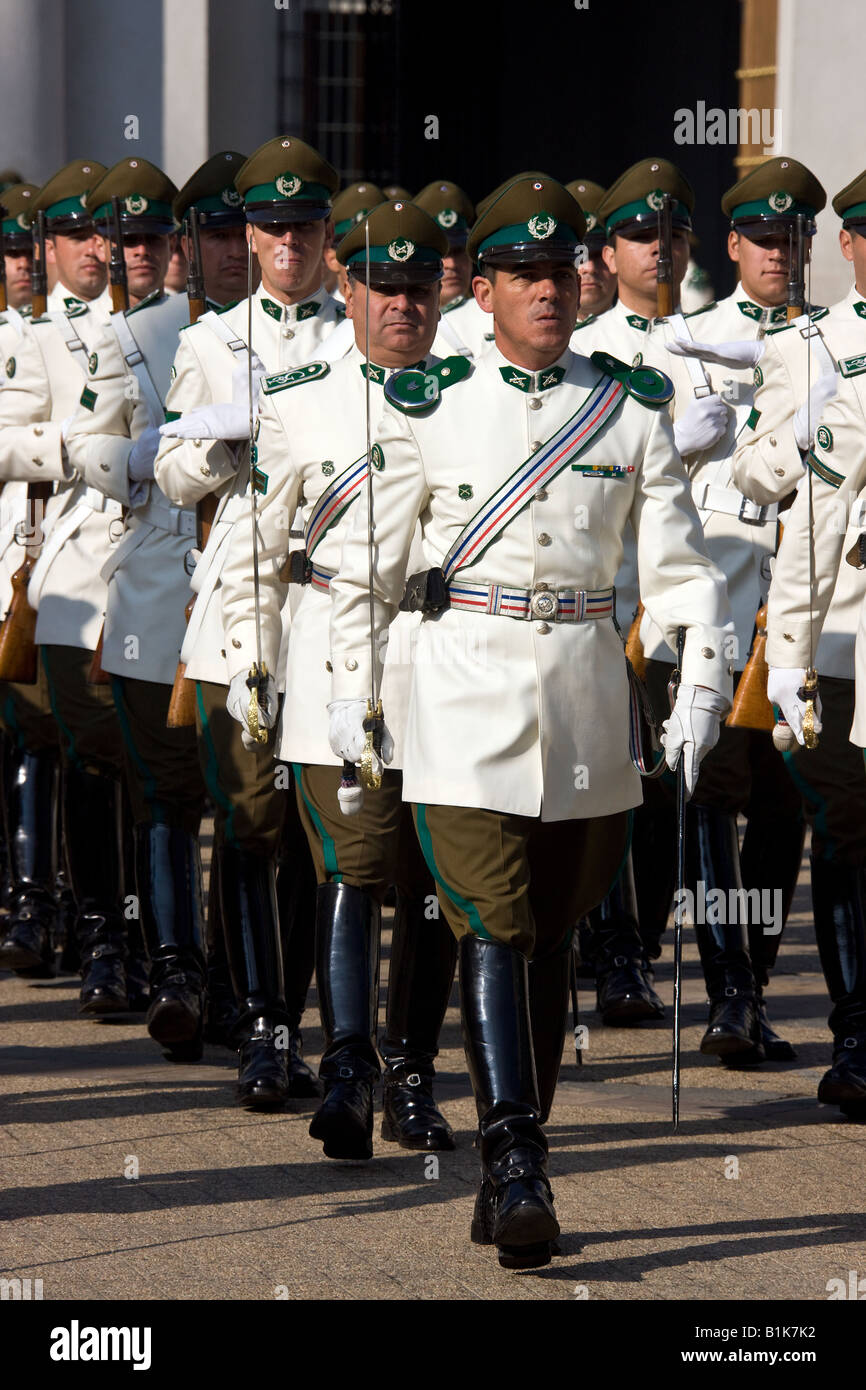
Members of the Carabineros de Chile changing the guard at the ...
Carabineros De Chile Editorial Image | CartoonDealer.com #44286514

Carabineros De Chile Editorial Image | CartoonDealer.com #44286514
Pin On CSIMPRO

Pin on CSIMPRO