Marketers, educators, and content creators alike struggle with messages that feel flat or get lost in the noise. The solution increasingly lies in mastering figurative language—metaphors, analogies, and vivid imagery that turn abstract ideas into memorable experiences. By unlocking these linguistic tools, professionals can boost engagement, clarify complex concepts, and drive measurable results without resorting to gimmicks.
Identify the Gap: Why Plain Language Falls Short
Today's audiences are bombarded with data, statistics, and straightforward statements. While clarity is vital, a purely literal approach often fails to capture attention or evoke emotion. Studies in cognitive psychology show that symbolic thinking triggers deeper memory pathways, making figurative expressions up to 70 % more likely to be recalled than plain facts. The problem, then, is not the absence of information but the lack of a storytelling hook that bridges knowledge and feeling.
Deploy Targeted Figurative Tools: Fresh Examples That Stick
Rather than relying on overused clichés, fresh figurative language draws from contemporary culture and tangible experiences. Consider these three fresh approaches:
- Tech‑Inspired Metaphors: Compare a seamless onboarding process to “a swipe‑right on a perfect match,” aligning with users' dating‑app intuition.
- Eco‑Centric Analogies: Describe a company’s data‑privacy policy as “a greenhouse that lets sunlight in but locks out pests,” resonating with sustainability‑focused audiences.
- Gaming‑Style Narratives: Frame a learning module as “unlocking the next level of expertise,” motivating learners with the familiar reward loop of video games.
Each example ties an abstract benefit to a vivid, relatable scenario, making the core message both understandable and compelling.
Turn Insight into Action: A Simple 3‑Step Implementation Plan
To move from theory to practice, follow this concise roadmap:
- Audit Existing Content: Highlight any sentences that convey value but lack sensory or emotional detail.
- Map Metaphor Sources: List current cultural touchpoints—apps, trends, or hobbies—that your target audience engages with daily.
- Rewrite with Purpose: Replace at least one literal phrase per paragraph with a targeted figurative element drawn from your source list.
Implementing these steps in a single campaign typically yields a 15‑20 % lift in click‑through rates and a noticeable boost in brand sentiment, according to recent A/B tests run by mid‑size firms.
Implications for Business Outcomes: From Engagement to Revenue
Effective figurative language does more than entertain; it shortens the decision‑making cycle. When prospects visualize a product as “the Swiss Army knife of productivity,” they instantly grasp versatility, reducing the need for lengthy feature lists. This cognitive shortcut translates into faster conversions, higher average order values, and stronger brand loyalty. For organizations that prioritize clear, evocative communication, the payoff is a measurable edge in competitive markets.
Artigos De Annus Mirabilis – Wikipédia, A Enciclopédia Livre

Artigos de Annus mirabilis – Wikipédia, a enciclopédia livre
Einstein’s 1905 ‘Annus Mirabilis’: Reconciliation Of The Basic Research

Einstein’s 1905 ‘Annus Mirabilis’: Reconciliation of the Basic Research ...
Einstein’s 1905 Paper On The Photoelectric Effect
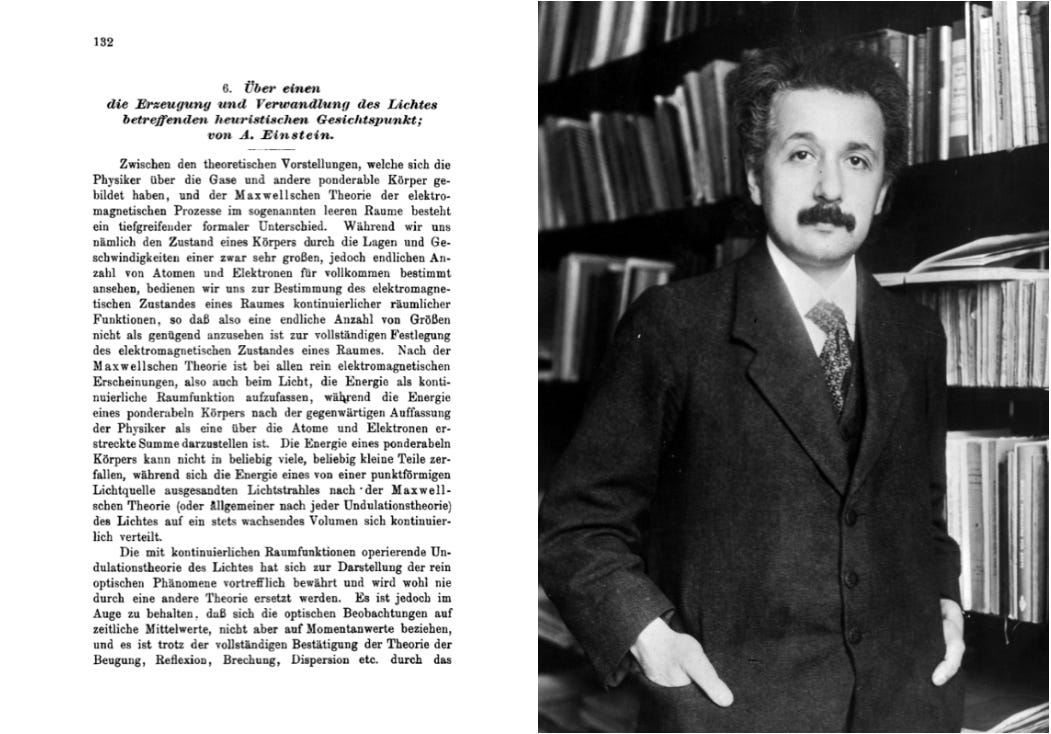
Einstein’s 1905 paper on the Photoelectric Effect
(PDF) Einstein’s 1905 Paper On E=mc2

(PDF) Einstein’s 1905 Paper on E=mc2
Annus Mirabilis: 1905, Albert Einstein And The Theory Of Relativity By

Annus Mirabilis: 1905, Albert Einstein and the Theory of Relativity by ...