Mastering cross‑country mileage splits separates the podium finishers from the pack. By interpreting split times, selecting the right tracking tools, and applying data‑driven pacing strategies, runners can shave seconds off each kilometer and sustain optimal effort throughout a race.
Map the Terrain: Why Split Data Matters
Cross country courses combine uneven terrain, hills, and variable footing, making uniform pacing impossible. Split analysis provides granular feedback on how athletes handle each segment—whether a steep ascent slows momentum or a downhill stretch offers recovery. Coaches use this data to pinpoint inefficiencies, while racers rely on it for real‑time adjustments.
Gear Up: Wearables That Deliver Accurate Splits

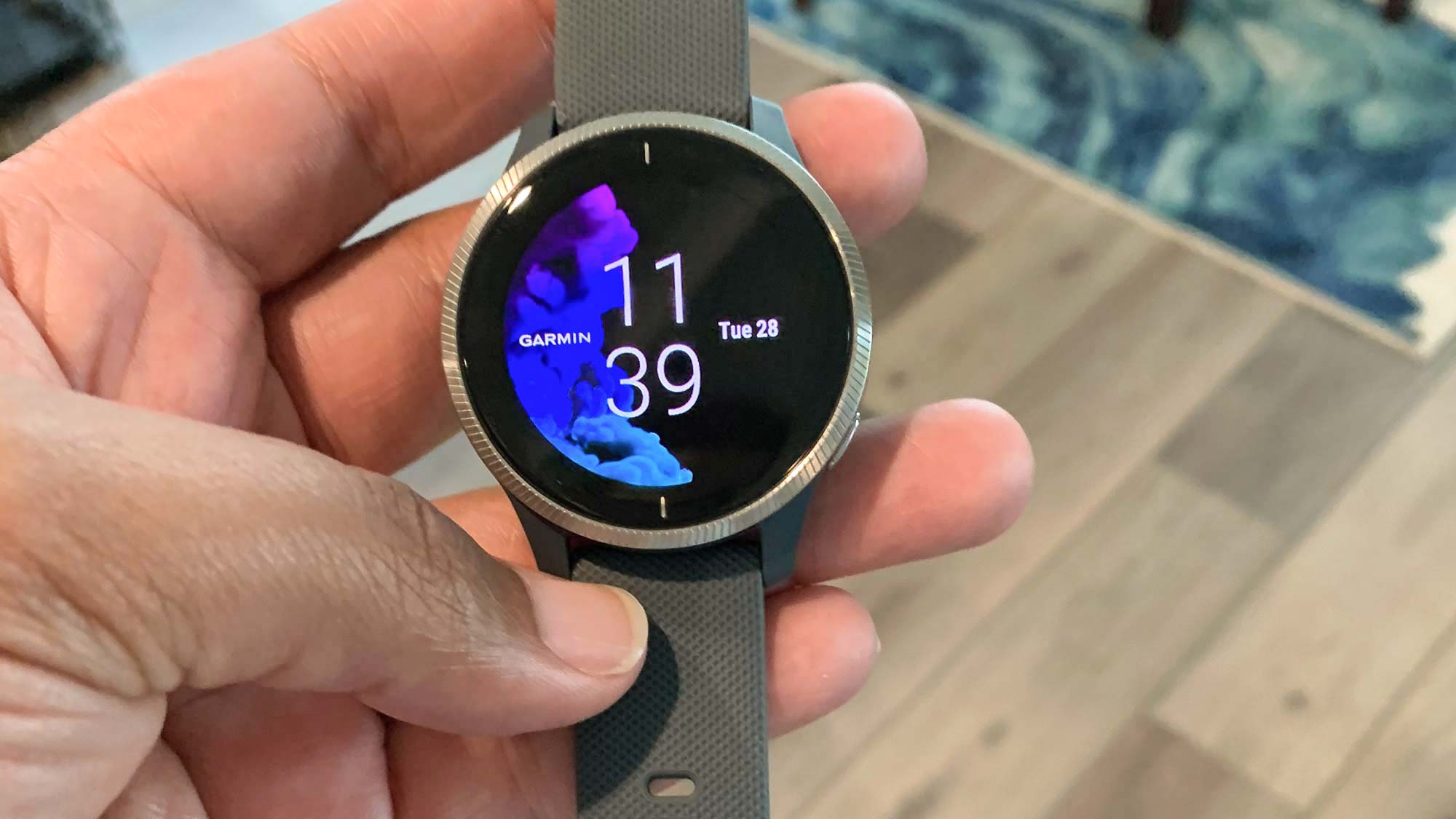
The Garmin Venu series, with its AMOLED display and built‑in GPS, records lap and segment times to within a second. Its “Course Overlays” feature lets athletes pre‑load race maps, automatically tagging splits that correspond to hills or turns. For researchers demanding high‑resolution data, the watch also exports GPX files for post‑race statistical modeling.
Apply the Numbers: Practical Use Cases
Race‑day pacing. By reviewing historical split charts, runners can set target times for each 400‑meter loop, adjusting pace on the fly when a segment exceeds or falls short of the goal.
Training feedback loops. After a tempo run, athletes compare actual splits to projected splits derived from VO₂max calculators. Discrepancies reveal whether fatigue is terrain‑related or a symptom of aerobic decline.
Team strategy. In dual‑team meets, coaches allocate runners to sections where their split strengths align with the course profile, maximizing overall point accumulation.
Select the Right Tool: Criteria for Split Accuracy
When choosing a device, prioritize the following:
- GPS fidelity. Multi‑frequency receivers reduce signal loss in dense forested sections.
- Sampling rate. A 1‑second interval captures rapid changes on short, technical loops.
- Data export options. Open formats (CSV, GPX) simplify integration with analysis software like R or Python.
- Battery endurance. For 12‑kilometer races, a device should sustain at least 8 hours of continuous tracking.
Visualize the Course: Using Terrain Images
Overlaying split data onto a course map clarifies where time losses occur. In the example above, the red‑highlighted segment corresponds to a steep incline that consistently added 6–8 seconds to each runner’s split. Adjusting stride length and cadence on that segment can convert the loss into a neutral or even positive gain.
Turn Data Into Victory: Actionable Recommendations
- Record at least three recent races with a high‑precision GPS watch to build a personal split library.
- Identify the three slowest segments and develop targeted drills—hill repeats, downhill bounding, or stride‑length work.
- During the next competition, set a “split window” in the watch (e.g., ±2 seconds) and use vibration alerts to stay within target ranges.
- After the race, export the split file, run a regression analysis against elevation gain, and refine pacing thresholds for the next event.
By embedding split analysis into both training cycles and race execution, detail‑oriented athletes turn raw timing data into a systematic advantage, unlocking consistent performance gains across any cross‑country course.
Garmin Venu 43mm AMOLED (1. Generation) 2020
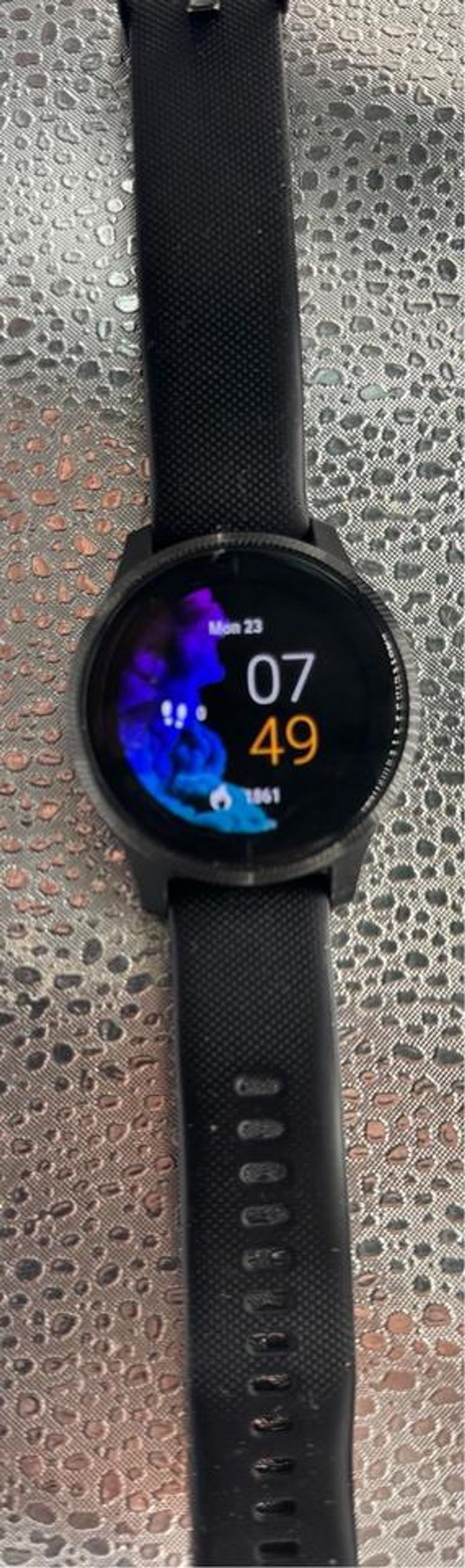
Garmin Venu 43mm AMOLED (1. Generation) 2020
Garmin’s First 2026 Smartwatch Update Is Rolling Out Now Across Select
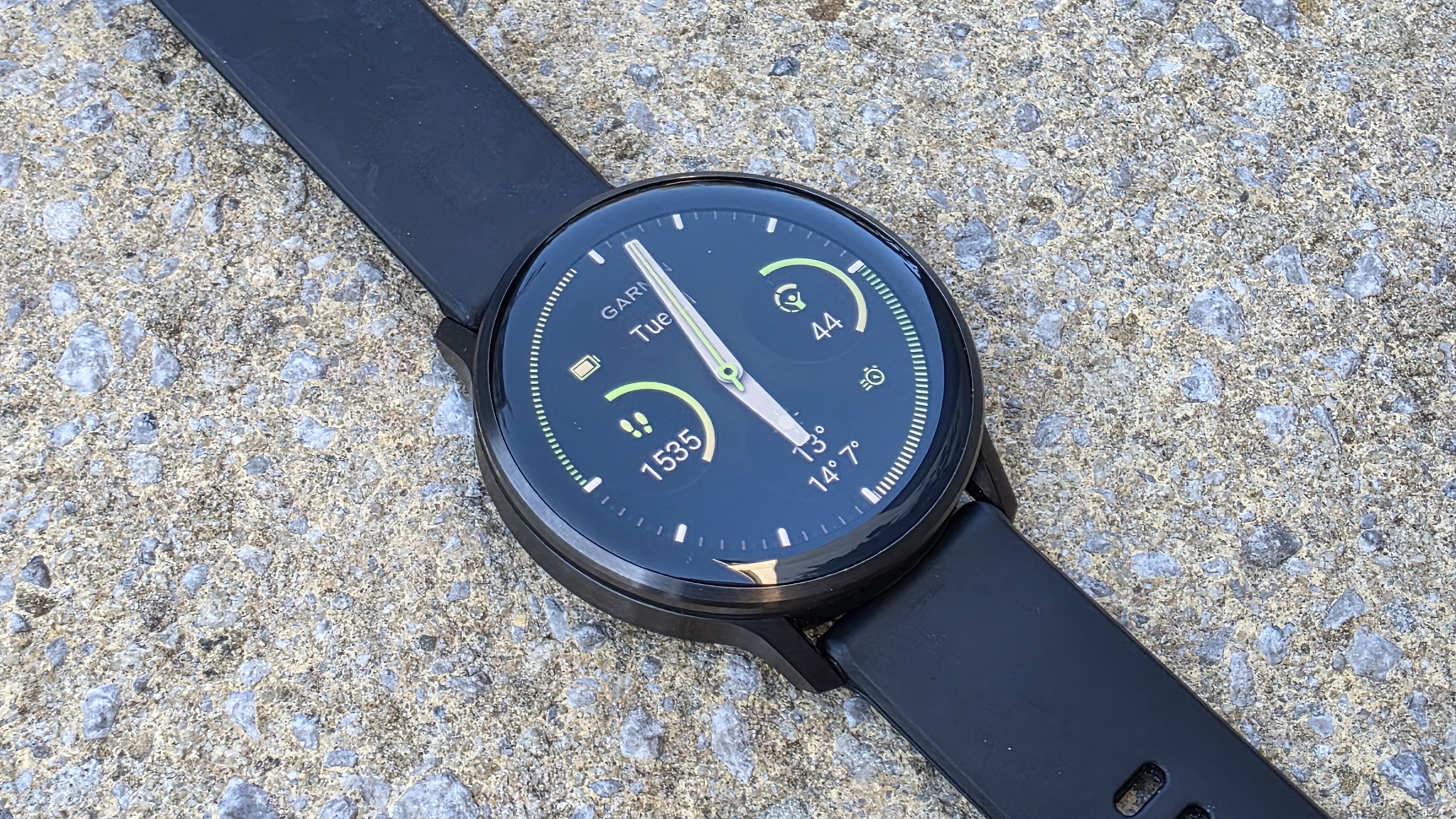
Garmin’s first 2026 smartwatch update is rolling out now across select ...
Garmin Venu Smartwatch Uhr Sport Fitness In Bayern - Poppenhausen

Garmin Venu Smartwatch Uhr Sport Fitness in Bayern - Poppenhausen ...