Tax season can feel like a maze, but the newly released Form 140 offers a clear route for many self‑employed filers and small‑business owners. By breaking down deductions, income categories, and quarterly payment schedules, the form aims to cut down on paperwork errors and late‑payment penalties, giving taxpayers a single reference point to keep their finances on track.
What is Form 140 and why does it matter now?
Form 140 is the latest worksheet introduced by the Internal Revenue Service to streamline reporting for individuals with mixed income streams—freelance earnings, rental properties, and occasional capital gains. Instead of juggling multiple schedules, taxpayers can record all relevant figures on one standardized page, which the IRS then cross‑references with existing returns. The timing is crucial: the form was updated ahead of the current filing deadline, reflecting recent changes to deduction limits and pandemic‑related credits.
How can you navigate the filing process step by step?
Begin by gathering all source documents: 1099‑MISC, rent statements, and investment summaries. Next, fill out the “Income Overview” section, entering gross amounts before any deductions. The “Deduction Matrix” follows, where you allocate expenses such as home‑office costs, vehicle mileage, and supplies to the appropriate rows. Finally, calculate the net taxable amount and transfer it to the main tax return. A visual cue can help keep the process organized:
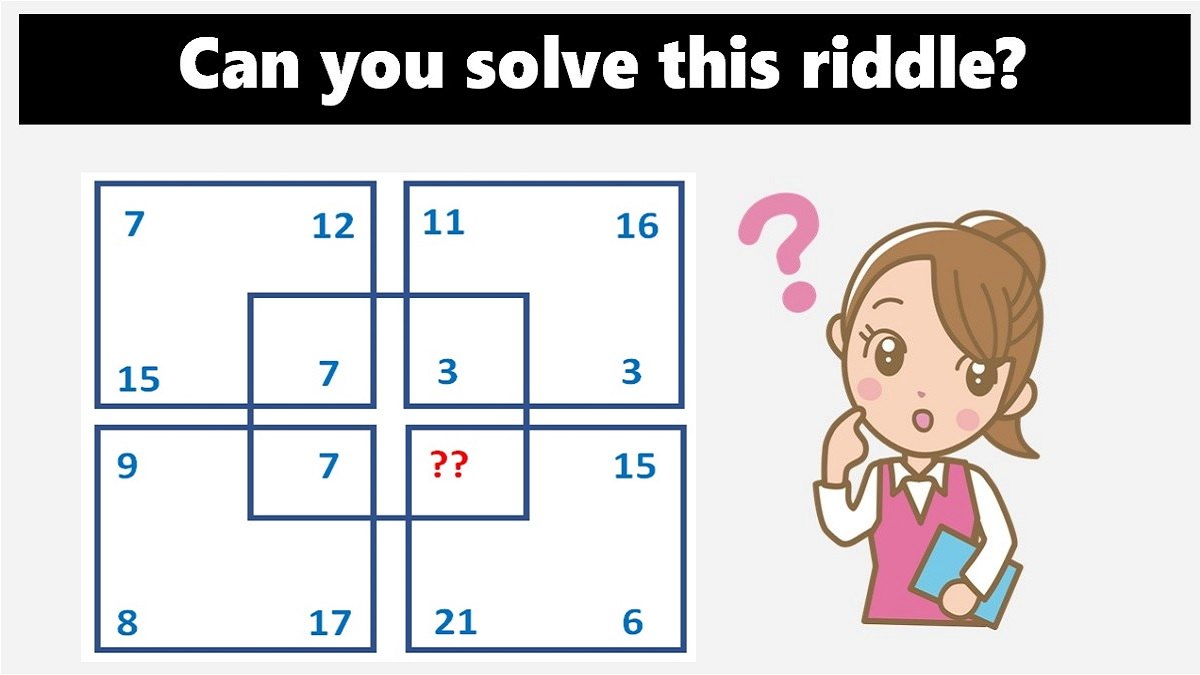
Each line of the worksheet mirrors a typical mathematical puzzle: identify the variables, apply the correct operation, and verify the result before moving on. Treat the form like a series of short equations rather than a single, overwhelming document.
Which common pitfalls should you watch out for?
- Double‑counting deductions. The form’s matrix is easy to misread; ensure each expense appears only once, whether under “Business Expenses” or “Personal Adjustments.”
- Mismatched fiscal years. Some freelancers operate on a calendar year while their rental income follows a fiscal year; reconcile both before entering totals.
- Skipping the “Estimated Quarterly Payments” box. Ignoring this section can trigger underpayment penalties, even if the final tax bill is modest.
What are the broader implications for taxpayers this season?
Adopting Form 140 could lower the average error rate for self‑employed returns, according to preliminary IRS compliance studies. Reduced errors translate into fewer audits and faster refunds, which benefits both individuals and the treasury. Moreover, the form’s streamlined design may set a precedent for future simplifications, encouraging the agency to consolidate other overlapping schedules.
Should you seek professional help or handle it yourself?
If your financial picture includes more than three distinct income types, consulting a tax professional can save time and prevent costly mistakes. However, taxpayers comfortable with spreadsheet logic often find the form’s clear layout sufficient for a DIY approach. We recommend a brief review with a CPA before the final submission, especially if you’re claiming new pandemic credits.
What’s the next step after filing?
Once Form 140 is attached to your annual return, keep a copy of the completed worksheet for at least three years. The IRS may request supporting documentation during an audit, and the form’s organized structure makes retrieval straightforward. Additionally, use the “Quarterly Payment” section as a template for the next year’s estimated taxes, turning a once‑a‑year chore into a routine habit.
Easy Equation Examples

Easy Equation Examples
How To Solve Inequalities—Step-by-Step Examples And Tutorial — Mashup Math

How to Solve Inequalities—Step-by-Step Examples and Tutorial — Mashup Math
Unlock Inequalities: Your Easy Guide
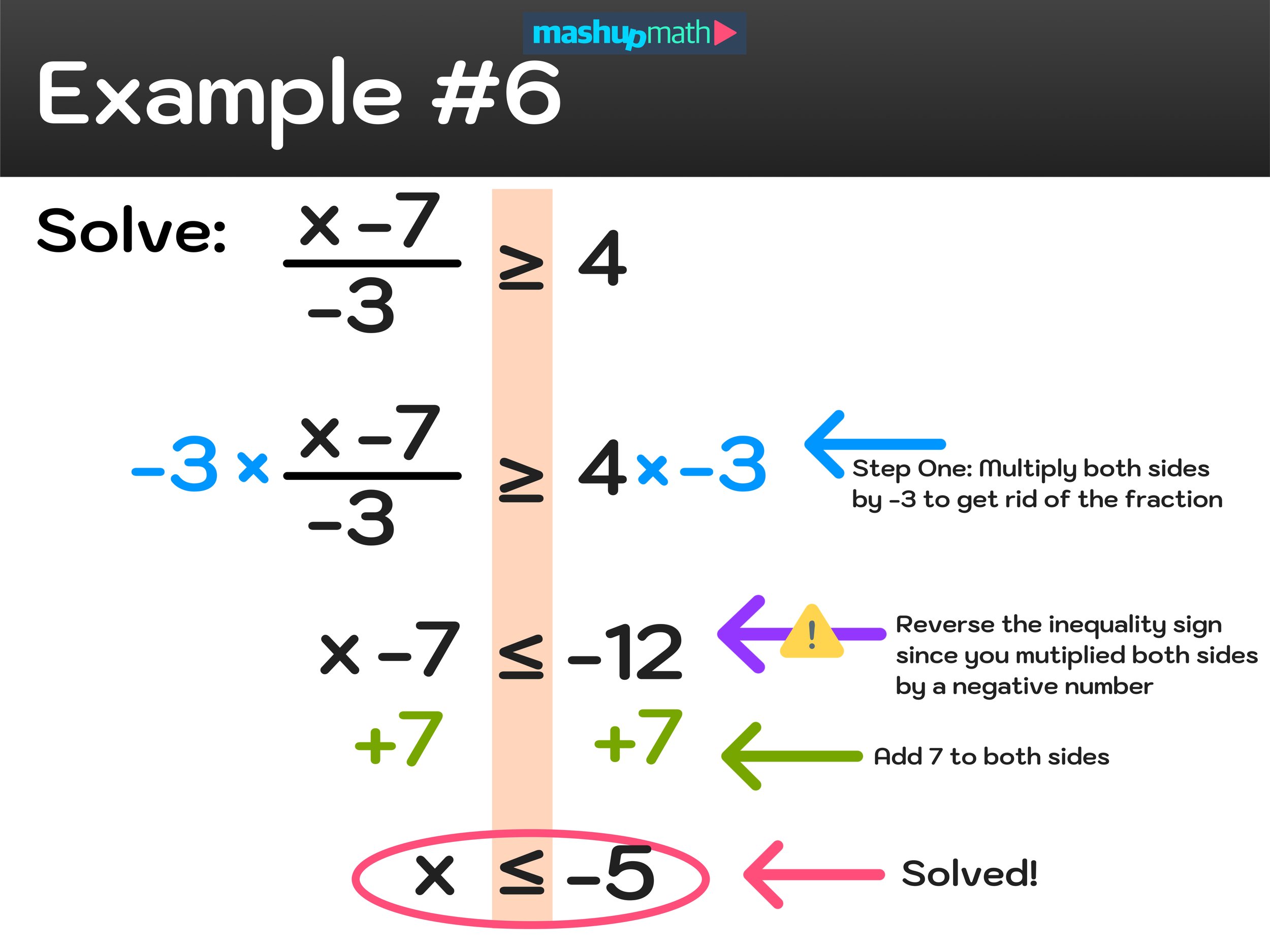
Unlock Inequalities: Your Easy Guide
How To Solve Inequalities—Step-by-Step Examples And Tutorial — Mashup Math

How to Solve Inequalities—Step-by-Step Examples and Tutorial — Mashup Math