Accurate animal tracing has become a linchpin in modern conservation, delivering actionable data that turns vague protection goals into measurable outcomes. By attaching GPS collars, RFID tags, or satellite-linked tags to key species, wildlife managers can pinpoint migration routes, identify poaching hotspots, and allocate resources with the precision previously reserved for urban planning. The result is a clearer picture of ecosystem health and more defensible funding requests.
Understanding the Value Chain of Animal Tracing
Tracing operates at the intersection of three conservation pillars: knowledge, intervention, and evaluation.
- Knowledge: Real‑time location data reveals seasonal movements, breeding grounds, and feeding corridors that static surveys miss.
- Intervention: When a tagged elephant strays into a high‑conflict zone, rangers receive instant alerts, enabling rapid response and reducing human‑wildlife conflict.
- Evaluation: Long‑term datasets allow scientists to assess the efficacy of protected area boundaries, confirming whether wildlife corridors are functioning as intended.
These steps reinforce each other, turning a single tracking device into a strategic asset that justifies the upfront cost.
Comparing Tracking Technologies: What Fits Your Project?
GPS Collars vs. Radio Telemetry
GPS collars provide location fixes every few minutes, stored on onboard memory and transmitted via satellite or cellular networks. They excel for large mammals that travel long distances, but require a robust signal environment and higher device cost.
Radio telemetry, by contrast, relies on manual triangulation from ground stations. It is cheaper and lighter, making it suitable for smaller species, yet it demands skilled field technicians and yields less granular data.
Satellite Tags vs. Drone‑Based Visual Tracking
Satellite tags attach to marine animals and surface periodically to ping orbiting satellites. This method supplies continent‑scale coverage for sharks, turtles, and whales, with the trade‑off of limited battery life.
Drone‑based visual tracking captures high‑resolution imagery without physical attachment, ideal for bird colonies or amphibian breeding sites. However, drones require clear weather and have limited flight endurance, restricting continuous monitoring.
Cost‑Benefit Considerations for Decision‑Makers
When budgeting, compare the total cost of ownership (device price, data subscription, retrieval logistics) against the projected conservation gain. A single GPS collar costing $2,500 can save a community $50,000 annually by preventing crop raiding incidents, a ratio that most funders find compelling.
Moreover, scalable data platforms reduce duplication: sharing telemetry streams across NGOs, government agencies, and research institutions spreads acquisition costs while enhancing collaborative analysis.
Implementing a Tracking Program: Five Practical Steps
- Define clear objectives: Identify whether the goal is anti‑poaching, habitat connectivity, or demographic monitoring.
- Select species and devices: Match animal size, behavior, and range to the suitable technology.
- Secure stakeholder buy‑in: Involve local communities early to ensure device deployment respects cultural concerns.
- Establish data pipelines: Set up automated uploads, cloud storage, and GIS dashboards for rapid interpretation.
- Monitor and adapt: Review metrics quarterly—such as reduction in illegal kills or increased breeding success—to refine the program.
By following this framework, conservation leaders can transform raw location points into strategic actions that safeguard biodiversity while delivering tangible returns to funders and local partners.
5 Whys Template Free Printable Excel Vrogue Co - Free Word Template
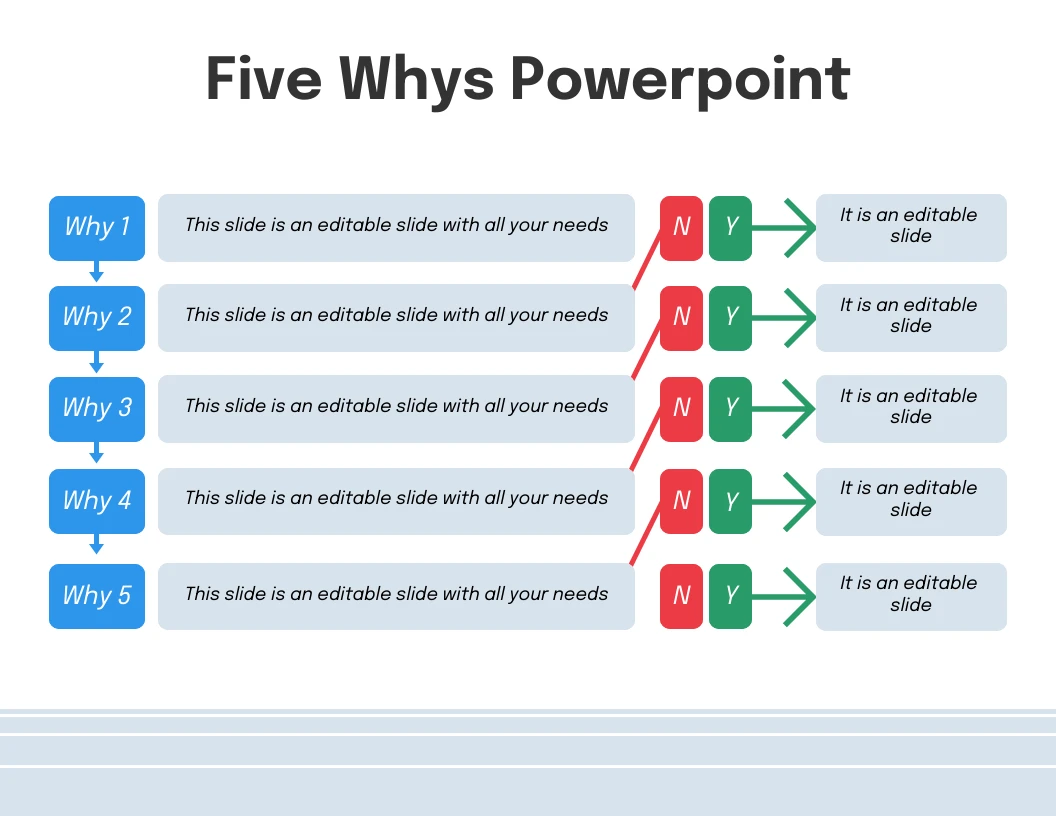
5 Whys Template Free Printable Excel Vrogue Co - Free Word Template
All Categories - Juicyfreeware

All Categories - juicyfreeware
Why Do Gamers Have Multiple Monitors - BEST GAME CONSOLE

Why Do Gamers Have Multiple Monitors - BEST GAME CONSOLE
Why And When

Why And When
Why Do We Use Time At Walter Lawrence Blog

Why Do We Use Time at Walter Lawrence blog