Amid relentless schedules and remote‑work fatigue, many professionals are turning to simple body‑weight movements to reclaim physical stability and mental calm. The bird‑dog exercise—often highlighted in prenatal fitness and functional‑training programs—offers a low‑impact way to strengthen core stabilizers, improve posture, and reduce stress without demanding a gym membership or lengthy commitment.
Why Core Stabilization Matters for a Hectic Lifestyle
Modern office routines promote prolonged sitting, leading to weakened lumbar muscles, reduced spinal alignment, and heightened cortisol levels. Research consistently links a strong, balanced core to lower incidences of lower‑back pain and better autonomic regulation, which can mitigate the physiological effects of chronic stress. For a worker juggling meetings, emails, and family duties, restoring core integrity translates into fewer aches, steadier focus, and a subtle but measurable boost in overall resilience.
Bird‑Dog Exercise: Benefits That Extend Beyond the Mat
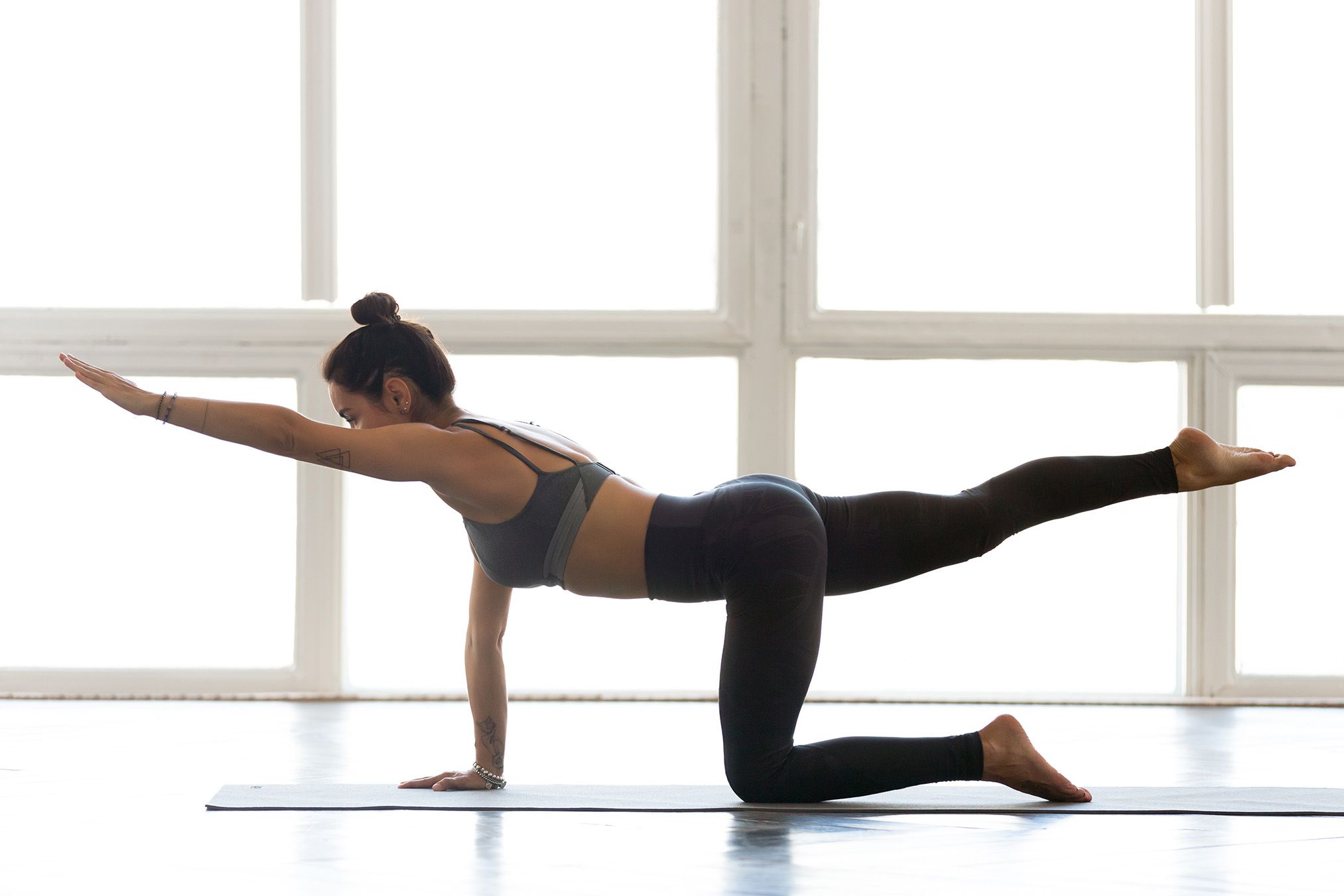
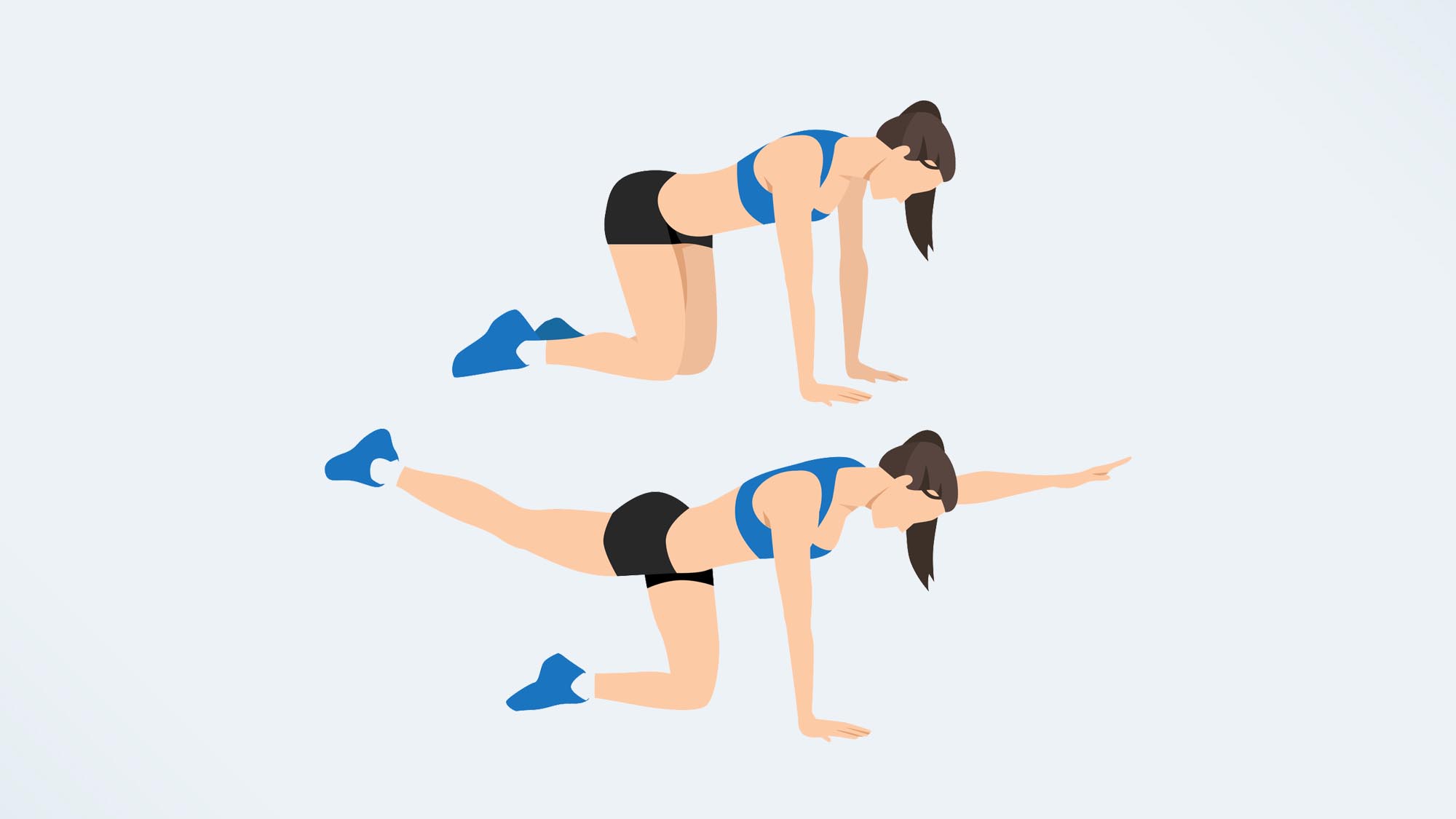
The movement—alternating extension of opposite arm and leg while maintaining a neutral spine—engages the multifidus, erector spinae, gluteus maximus, and shoulder stabilizers. Its benefits include:
- Enhanced proprioception: Practicing controlled limb extension refines the body’s internal sense of position, aiding coordination in everyday tasks.
- Improved balance: The unilateral load forces the nervous system to correct sway, which can translate to steadier footing on uneven surfaces.
- Reduced injury risk: By reinforcing antagonistic muscle groups, the exercise mitigates the imbalance that often precipitates sprains or strains.
Real‑World Example
Jessica, a 38‑year‑old project manager, incorporates three sets of 12 bird‑dog repetitions into her morning routine. Within a month, she reports a 30 % decrease in lumbar discomfort and notes that she feels "more grounded" during high‑pressure presentations.
Practical Implementation and Potential Trade‑offs
Adopting the bird‑dog exercise requires minimal equipment—a yoga mat and a quiet space—but demands mindful execution. Common pitfalls include arching the lower back, allowing the hips to sag, or rushing through repetitions. These errors can negate benefits and even exacerbate tension.
- Start with a neutral spine: Engage the abdominal muscles and gently tuck the pelvis before extending limbs.
- Maintain slow, controlled motion: Hold the extended position for two seconds, then return to start.
- Progress incrementally: Add light ankle or wrist weights only after mastering form, and consider a “bird‑dog plank” variation for added challenge.
The trade‑off lies in time allocation; while each set lasts under two minutes, consistency is key. Skipping sessions or performing the exercise sporadically reduces its cumulative impact on postural stability.
Balancing Expectations: What the Exercise Can and Cannot Do
For individuals seeking a quick fix to chronic back pain or a singular solution for stress, the bird‑dog exercise offers limited scope. It excels as a foundational move within a broader wellness regimen that includes cardiovascular activity, mobility work, and adequate sleep. Expectation management is critical: the exercise can improve functional stability and modestly lower stress biomarkers, but dramatic weight loss or cure‑all outcomes are unrealistic without complementary lifestyle changes.
Integrating Bird‑Dog Into a Busy Schedule
Time‑pressed professionals can embed the movement into existing routines—while waiting for coffee, during a brief office break, or as part of a pre‑meeting warm‑up. Pairing the exercise with mindful breathing (inhale as you extend, exhale as you return) magnifies its calming effect, turning a physical drill into a micro‑meditation session.
Implications for Workplace Wellness Programs
Employers seeking low‑cost, evidence‑based interventions can incorporate short bird‑dog modules into stretch breaks or remote‑work guidelines. Because the movement requires no specialized equipment and poses negligible injury risk, it scales across diverse office environments. When paired with education on posture and stress‑reduction techniques, such programs can contribute to reduced absenteeism and higher employee satisfaction.
Bottom Line: A Small Step Toward Sustainable Balance
The bird‑dog exercise epitomizes the principle that modest, intentional actions can bridge the gap between a hectic daily grind and a more centered, resilient self. By embedding this movement into routine, busy individuals gain a pragmatic tool for reinforcing core strength, enhancing balance, and fostering a measurable sense of equilibrium—key components of a healthier, more balanced life.
Bird Dog Exercise

Bird Dog Exercise
Bird Dog | Bodyweight And Dumbbell Exercises | POPSUGAR Fitness UK Photo 82
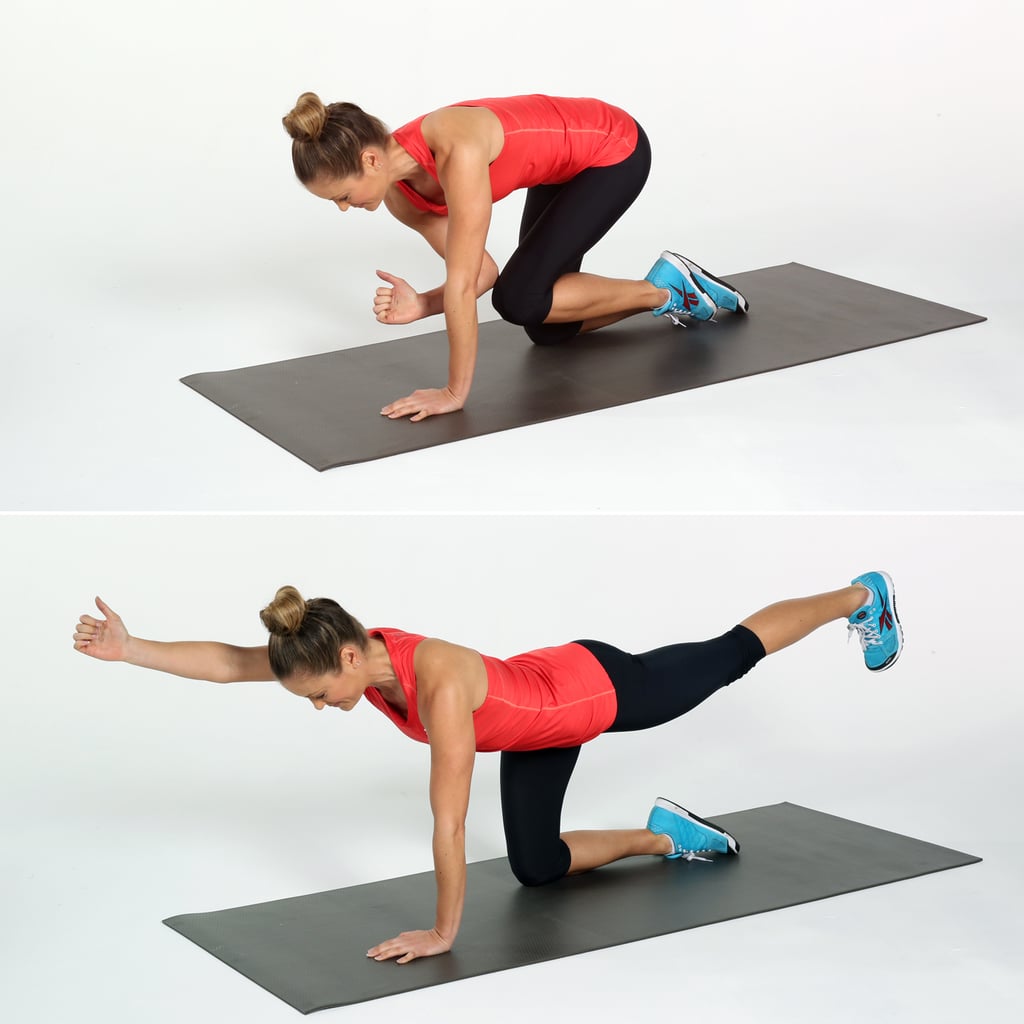
Bird Dog | Bodyweight and Dumbbell Exercises | POPSUGAR Fitness UK Photo 82
10-Minute Core Workout For Strength And Stability - SilverSneakers
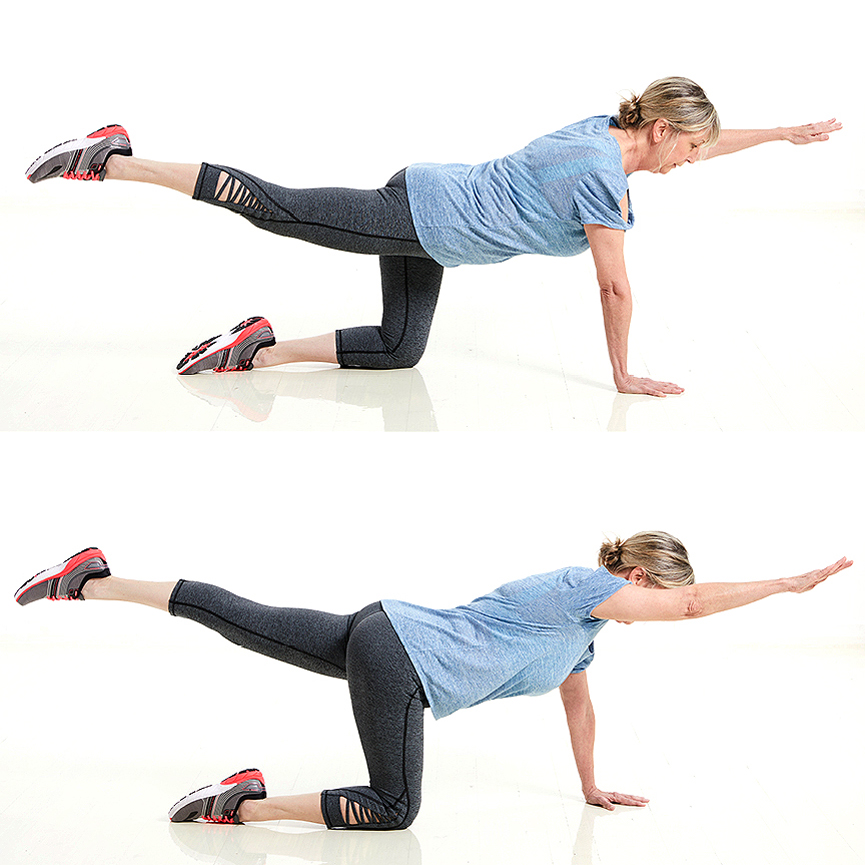
10-Minute Core Workout for Strength and Stability - SilverSneakers