In the world of digital currencies, stablecoins have gained significant attention in recent years. However, creating a stablecoin requires careful planning and execution. A recent guide provides invaluable insights into the process, while also offering an explanation of stablecoins and their unique characteristics. In this article, we will delve into the world of stablecoins and explore the use cases, scenarios, and selection criteria that can help determine which stablecoin suits an organization's needs.
What Are Stablecoins and How Do They Work?
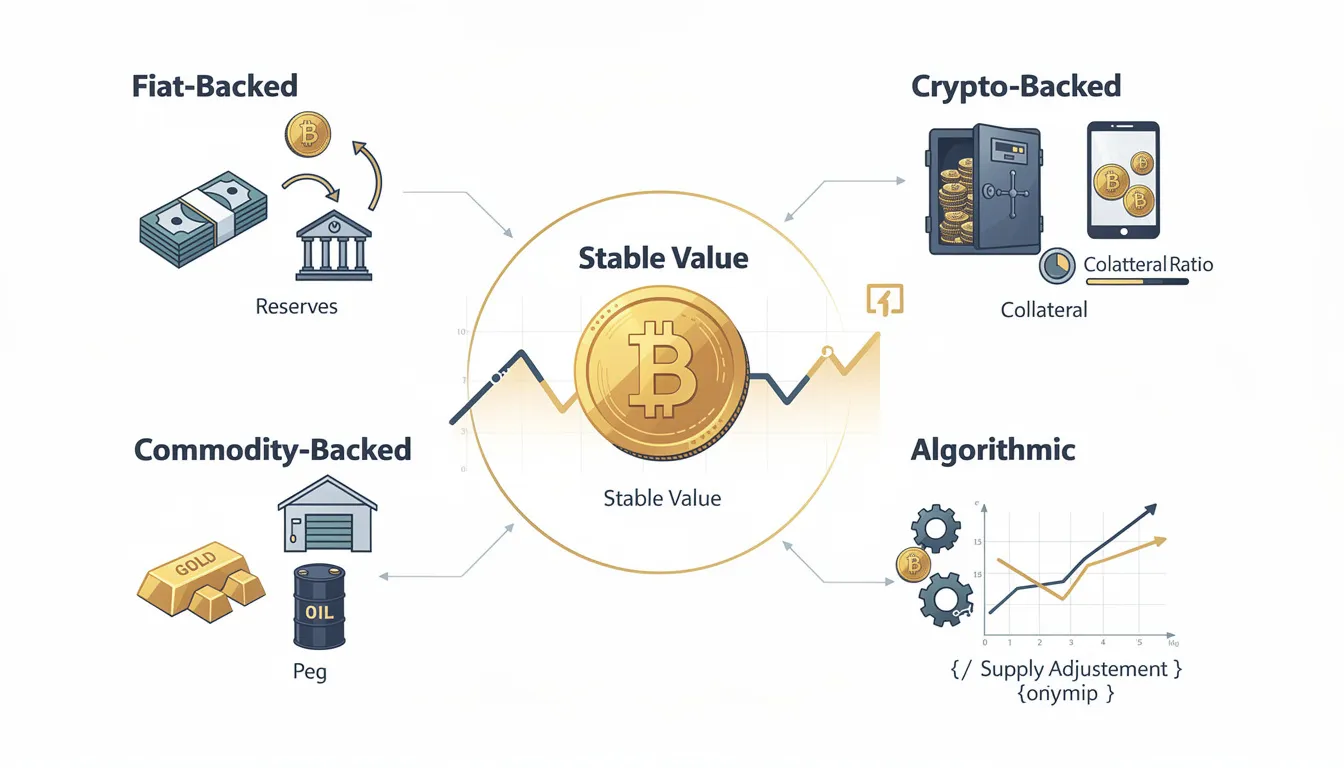
Stablecoins are a type of digital currency that is pegged to the value of a traditional asset, such as the US dollar. The purpose of a stablecoin is to maintain price stability and reduce the volatility that is often associated with cryptocurrencies. By linking a stablecoin to a traditional asset, it allows for easier use and more widespread acceptance, making it a more practical choice for businesses and individuals looking to participate in the digital economy.

Use Cases for Stablecoins
Stablecoins have numerous use cases, including reducing transaction fees, minimizing exchange risks, and providing a more practical alternative to traditional fiat currencies. They can be used as a hedge against the volatility of cryptocurrencies, or as a means of settling trades and transactions at a stable value. In addition, stablecoins can be used to facilitate international transactions, reduce the need for currency conversion, and provide a more efficient way of managing cross-border transactions.
Key Factors to Consider When Selecting a Stablecoin
Understanding Stablecoin Options
When selecting a stablecoin, there are several key factors to consider. These include the underlying asset backing the stablecoin, the decentralized nature of the stablecoin, the fees associated with transactions, the availability of the stablecoin, and the regulatory requirements. Each of these factors plays a crucial role in determining which stablecoin best suits an organization's needs and objectives.
Decentralized Stablecoins: The Future of Digital Currencies
One of the primary advantages of stablecoins is their decentralized nature, which allows for greater autonomy and control over transactions. Decentralized stablecoins use blockchain technology, such as Ethereum, to ensure that transactions are secure and transparent. This has led to the creation of decentralized finance (DeFi) applications, which leverage blockchain technology to provide a wide range of financial services.
Conclusion: Unlocking Opportunities in the Digital Age
As the digital economy continues to grow and evolve, stablecoins are expected to play an increasingly important role. By providing a more practical alternative to traditional currencies, stablecoins are unlocking new opportunities for businesses and individuals alike. Whether you're an investor, a trader, or simply a user of digital currencies, stablecoins offer a secure and reliable way to participate in the digital economy.
Stablecoins Explained: Digital Money That Doesn’t Move When Crypto
Stablecoins explained: digital money that doesn’t move when crypto ...
An Introduction To Stablecoins

An Introduction to Stablecoins
Blockchain Intelligence For Stablecoin Risk Management | TRM Labs

Blockchain Intelligence for Stablecoin Risk Management | TRM Labs
The 11 Core Components Every Production-Grade Stablecoin Rail Must Have

The 11 Core Components Every Production-Grade Stablecoin Rail Must Have ...