Getting Started with Score Sheets: Common Pitfalls to Avoid
Coaches and players often jump into using score sheets without a clear understanding of what they need to track. As a result, they might end up collecting data that's irrelevant or inconsistent. To avoid this, it's essential to define what you want to achieve with your score sheets. Are you looking to improve shooting percentages, reduce turnovers, or develop team chemistry? Knowing your goals will help you identify the key metrics to track. Another common mistake is not using score sheets consistently. If you only pull out the sheets during games or practices, you may miss valuable insights between sessions. To overcome this, try to use score sheets at every level of competition, including regular season, playoffs, and even summer leagues. A third issue is not taking the time to review and analyze the data. Score sheets are only as good as the action taken on the data. Coaches and players must carve out time to review the data, identify trends, and make adjustments accordingly.
Tailoring Your Score Sheets to Your Team's Needs
Different teams have unique needs, and your score sheets should reflect that. For example, if you have a young, inexperienced team, you may want to focus on tracking basic stats, such as scoring, rebounding, and assists. However, if you have a seasoned team with a strong shooting threat, you may want to track more advanced metrics, such as true shooting percentage and defensive rating. The type of competition also plays a significant role in what to track. During the regular season, you may focus on improving team chemistry and developing young players. In the playoffs, you may shift your focus to more tactical aspects, such as adjusting defenses and exploiting opponents' weaknesses.Putting Theory into Practice: Real-World Examples
Let's look at an example of how mastering basketball score sheets can lead to improved performance. Team A, a high school basketball team, uses score sheets to track their players' shooting percentages. By analyzing the data, they identify that their point guard is struggling with outside shots. They adjust their practice sessions to focus on developing her three-point shot, and as a result, she becomes a more reliable threat from beyond the arc. Alternatively, Team B, a college team, uses score sheets to track their defensive ratings. By comparing their statistics to their opponents', they identify areas where they can improve their defense. They make adjustments to their rotations and help defense, and as a result, their opponents' scoring average plummets.Conclusion: Mastering the Art of Basketball Score Sheets
Mastering basketball score sheets requires a deep understanding of what data matters and how to use it to drive decision-making. By avoiding common pitfalls, tailoring your score sheets to your team's needs, and putting theory into practice, you can unlock the full potential of this valuable tool. Whether you're a coach or player, the insights gained from using score sheets can help improve your performance and lead to long-term success.References
* ["url":"https://cdn.shopify.com/s/files/1/0160/2840/1712/products/fnaf-plush-mangle_photo-nologo_square_03-hd9l.png?v=1683329253","title":"Mangle Plush (9in) – Youtooz Collectibles"] * ["url":"https://youtooz.com/cdn/shop/products/fnaf-plush-mangle_photo-nologo_square_01-d8od.png?v=1683329253","title":"Fnaf Vhs Tapes Mangle at David Danforth blog"]"Funko FNAF Plush: Five Nights At Freddy's 6"" Mangle Funtime Foxy
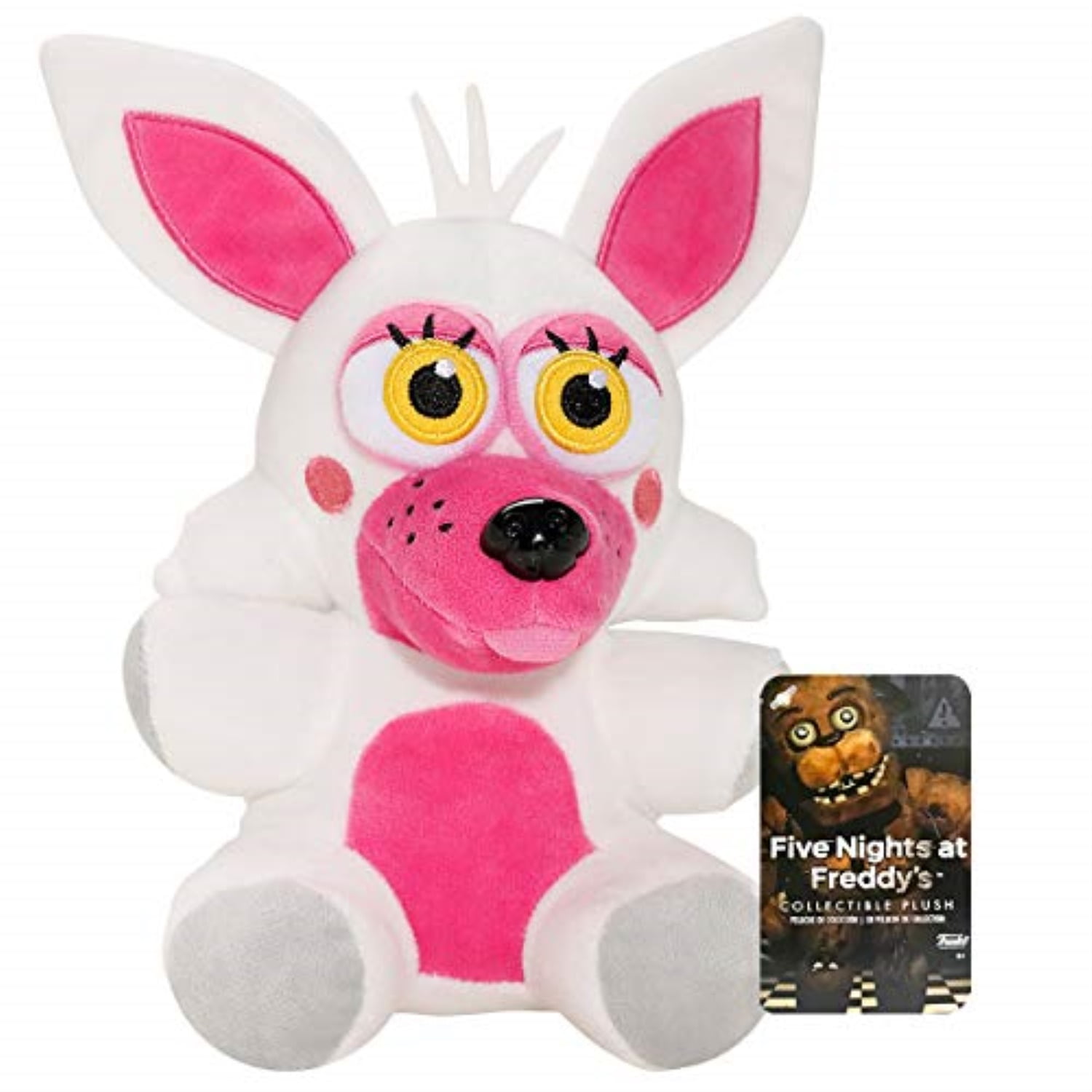
"Funko FNAF Plush: Five Nights at Freddy's 6"" Mangle Funtime Foxy ...
FNaF Funko Mangle Plush PNG By SuperFredbear734 On DeviantArt
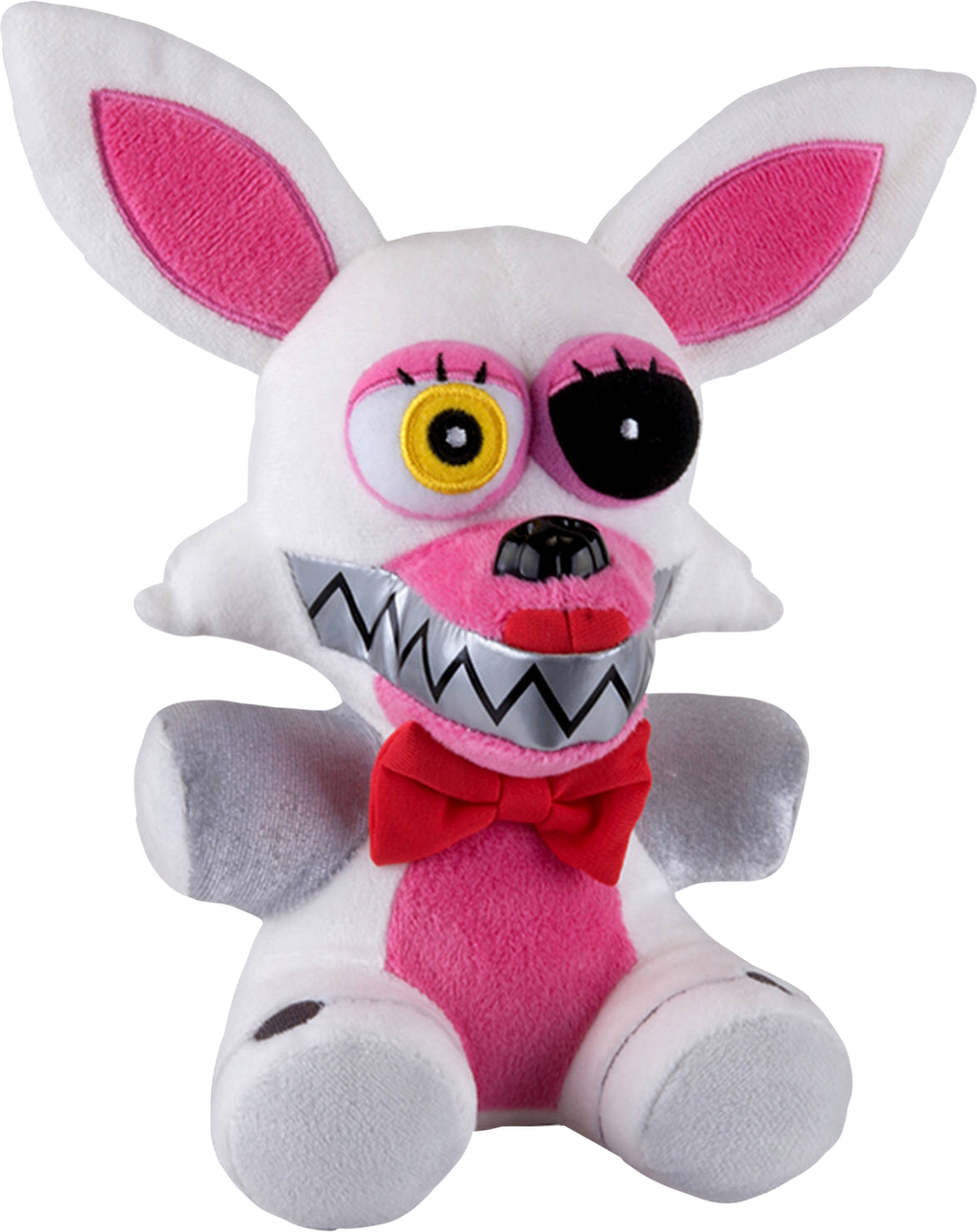
FNaF Funko Mangle Plush PNG by SuperFredbear734 on DeviantArt
Luluy Five Nights At Freddy's Toys - 7.08" Mangle Plush Five Nights At
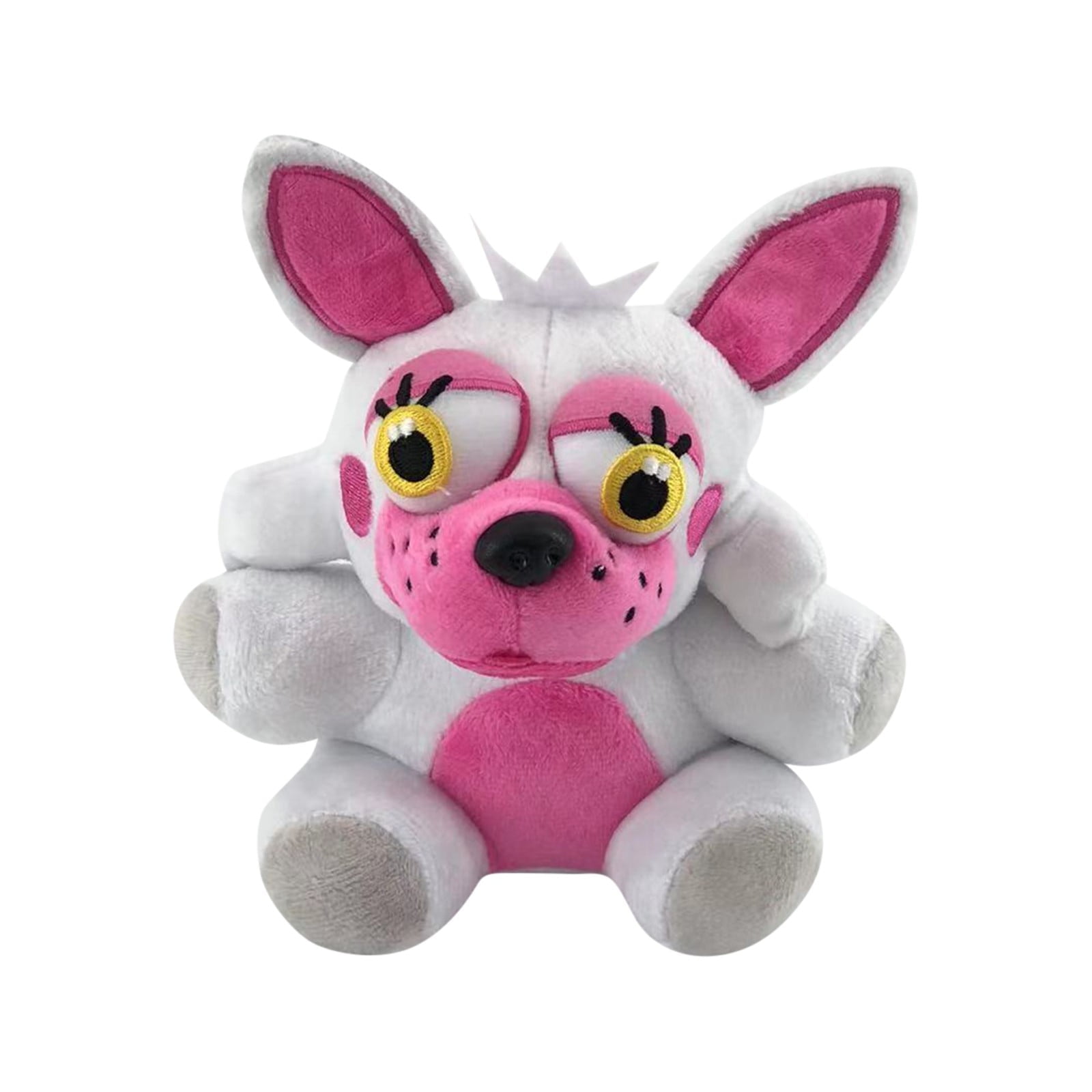
Luluy Five Nights at Freddy's Toys - 7.08" Mangle Plush Five Nights at ...