Saint Peter’s University (SPU) has rolled out its new academic calendar, detailing semester start dates, registration windows, holidays, and exam periods for the upcoming year. By mapping out these milestones early, students can coordinate coursework, internships, and personal commitments before the first class even begins.
Why the Calendar Matters
Having a unified timetable means every department follows the same rhythm, which reduces confusion over overlapping deadlines. For everyday users—full‑time students, part‑time learners, and working parents—the calendar offers a single reference point, simplifying budgeting of study time and non‑academic responsibilities.
Key Dates at a Glance
Below is a concise snapshot of the most critical windows. Exact days may shift slightly each year, but the pattern remains consistent.
- Registration Open – Early March for fall semester, early September for spring semester.
- Classes Begin – Late August for fall, early January for spring.
- Mid‑term Review Period – Roughly the third week of each term, allowing students to adjust study strategies.
- Final Exam Window – The last two weeks of the semester, with a short break before finals.
- Holiday Breaks – Thanksgiving (four days), Winter (approximately two weeks), and Spring Break (one week).
Balancing Rigor and Well‑Being
While a tight schedule can drive academic achievement, it may also pressure students to neglect health and personal time. The following image illustrates the tension between striving for excellence and maintaining wellness.
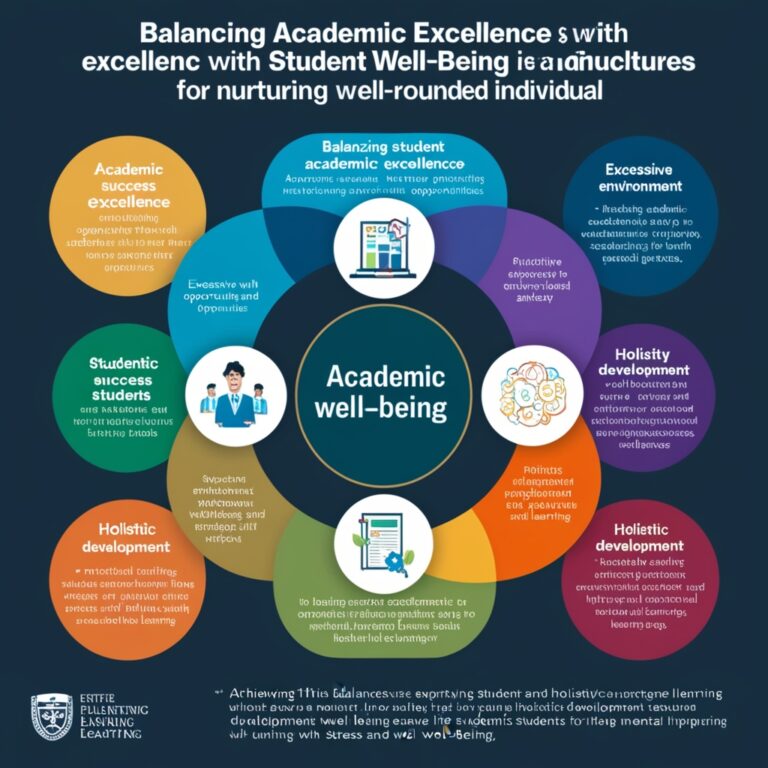
SPU’s calendar tries to mitigate stress by sprinkling short breaks between intensive periods. However, the compressed nature of back‑to‑back assessments still leaves limited breathing room, especially for those juggling jobs or family duties.
Practical Tips for Staying on Track
Turning the calendar into a personal roadmap requires a few disciplined steps:
- Mark registration deadlines in a digital planner as soon as the calendar is published.
- Sync class start dates with calendar apps to receive automated reminders.
- Allocate study blocks during the mid‑term review period, using the break to reassess goals.
- Reserve the holiday weeks for low‑intensity tasks—review notes, catch up on reading, or schedule tutoring.
- Set weekly “well‑being checkpoints” (e.g., a 30‑minute walk) to counterbalance intense study sessions.
Potential Drawbacks to Watch
Even a well‑structured calendar has limits. Rigid semester boundaries can clash with:
- Unexpected personal emergencies that require deadline extensions.
- Opportunities for summer internships that begin before the official break.
- Course overloads that force students to prioritize one subject over another.
Being proactive—communicating early with advisors and requesting flexibility when needed—helps mitigate these trade‑offs.
Bottom Line
SPU’s academic calendar offers a clear scaffold for planning, but success still hinges on individual organization and awareness of well‑being pressures. By aligning registration, class schedules, and rest periods with personal goals, students can stay ahead without sacrificing health.
An Academic Schedules For Schools - Teachers Guide
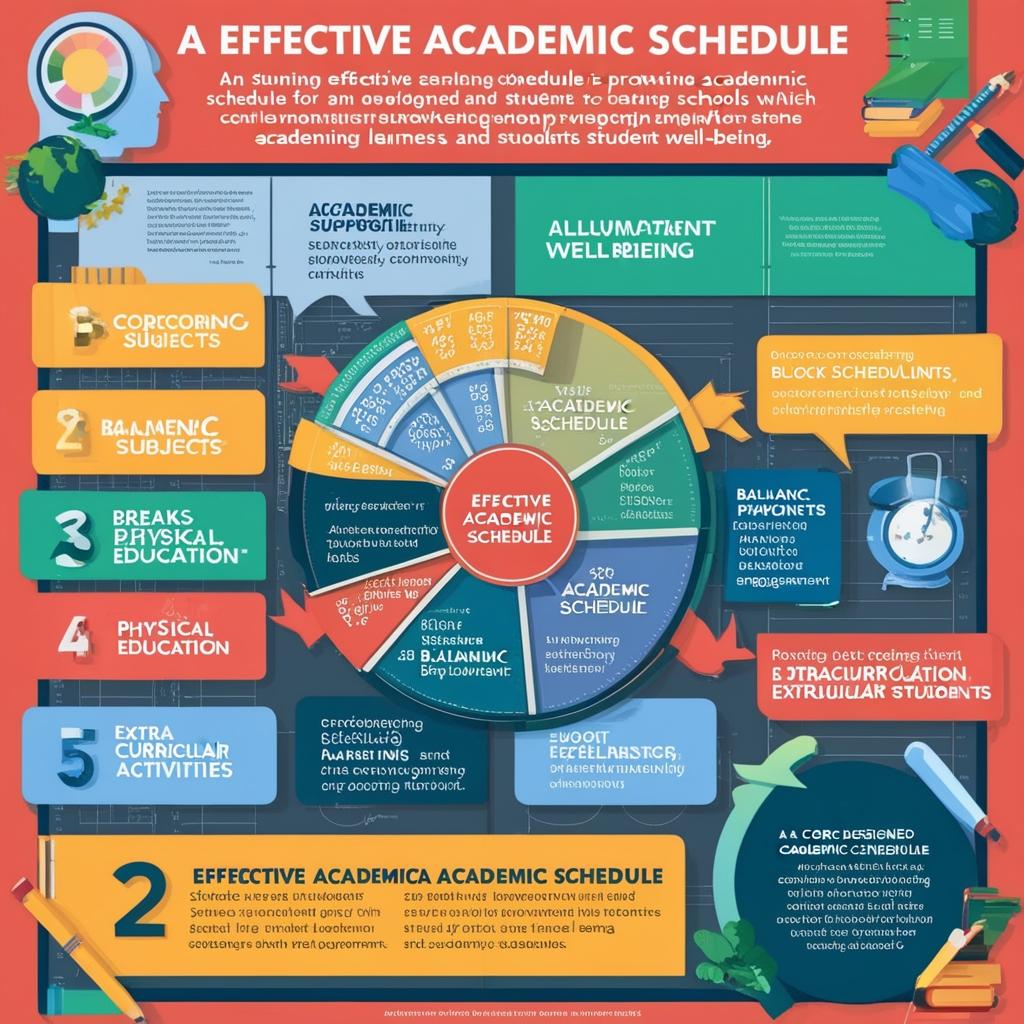
An Academic Schedules for Schools - Teachers Guide
Cultivating Your Child S Academic Success – Artofit

Cultivating your child s academic success – Artofit
10,290 Academic Icon Stock Illustrations | Depositphotos

10,290 Academic icon Stock Illustrations | Depositphotos
Academic Excellence Icon 1,912 Academic Excellence Icon Images, Stock

Academic Excellence Icon 1,912 Academic Excellence Icon Images, Stock