As professionals and hobbyists alike strive to maximize their productivity, the importance of efficient calendar systems has become increasingly evident. A Northwestern Calendar System, in particular, offers a unique approach to time management, allowing individuals to streamline their schedules and unlock new levels of productivity. By understanding the core principles of this system and avoiding common pitfalls, users can harness its full potential and achieve a better work-life balance. In this article, we will delve into the benefits and strategies of implementing a Northwestern Calendar System, exploring its applications and implications for individuals seeking to optimize their time management skills.
Understanding the Northwestern Calendar System
The Northwestern Calendar System is built around the concept of prioritizing tasks and allocating time slots accordingly. By categorizing activities into distinct time blocks, users can minimize distractions, reduce overlap, and ensure that each task receives the attention it deserves. This approach requires a thorough understanding of one's daily routine, including fixed commitments, flexible tasks, and personal time. By mapping out their schedule in a logical and methodical manner, individuals can create a tailored calendar system that suits their unique needs and preferences.
Common Mistakes to Avoid
One of the most significant obstacles to effective time management is the tendency to overcommit and underestimate the time required for tasks. This can lead to a phenomenon known as "calendar creep," where schedules become increasingly congested, leaving little room for flexibility or spontaneity. To avoid this pitfall, it is essential to maintain a realistic perspective on time allocation, leaving buffer zones for unexpected events and unplanned activities. Additionally, users should be cautious not to overschedule, as this can result in burnout and decreased productivity.

Smarter Alternatives and Strategies
So, how can individuals unlock the full potential of a Northwestern Calendar System? The key lies in adopting a flexible and adaptive approach to time management. By regularly reviewing and adjusting their schedules, users can respond to changing circumstances, prioritize new tasks, and eliminate non-essential activities. Moreover, incorporating technology, such as calendar apps and reminders, can help streamline the process, reducing the risk of errors and oversights. For those seeking to build a custom solution, exploring top legal AI models and their applications in calendar systems can provide valuable insights and inspiration. 
Implementing a Northwestern Calendar System
To successfully implement a Northwestern Calendar System, users should begin by conducting a thorough analysis of their daily routine, identifying areas of inefficiency and opportunities for improvement. Next, they should establish clear goals and priorities, allocating time slots accordingly. It is also crucial to maintain a balanced schedule, ensuring that personal time, flexible tasks, and fixed commitments are adequately represented. By following these guidelines and avoiding common mistakes, individuals can unlock the benefits of a Northwestern Calendar System, achieving a more harmonious and productive balance between work and personal life.
- Start by analyzing your daily routine and identifying areas for improvement
- Establish clear goals and priorities, allocating time slots accordingly
- Maintain a balanced schedule, ensuring representation of personal time, flexible tasks, and fixed commitments
AI For Core Legal Tasks: Research, Analysis And Writing | Legal AI Central
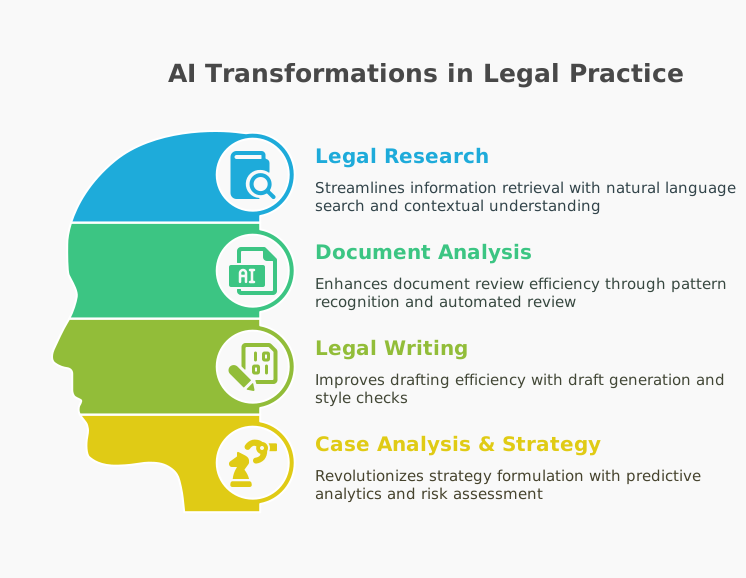
AI for Core Legal Tasks: Research, Analysis and Writing | Legal AI Central
Understanding The Legal AI Ecosystem: Tools, Trends & Adoption
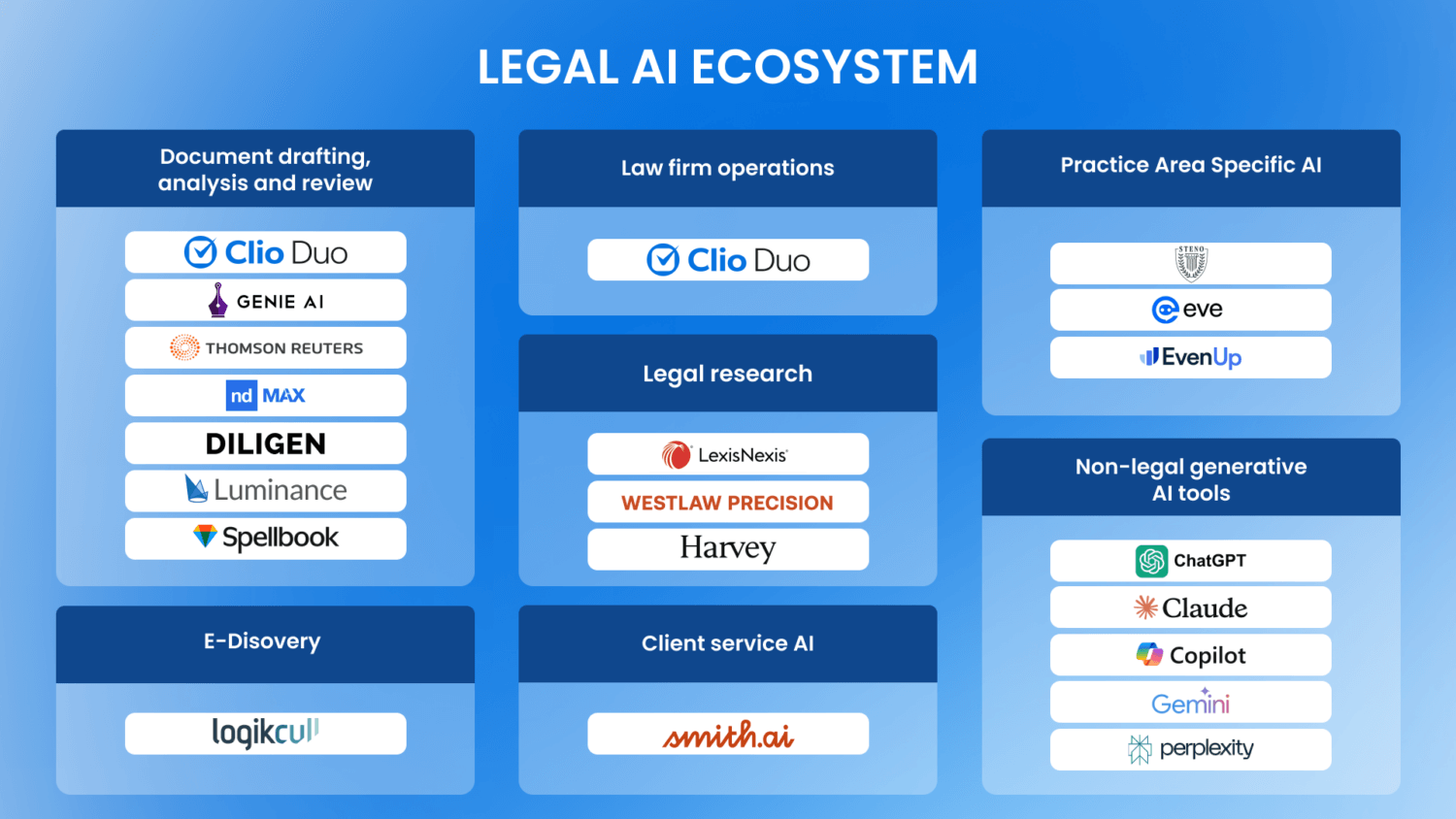
Understanding the Legal AI Ecosystem: Tools, Trends & Adoption ...
Top Legal AI Models | How To Build One For Your Business
.webp)
Top Legal AI Models | How to Build One for Your Business
AI In Law: Is Artificial Intelligence Your Future Lawyer?
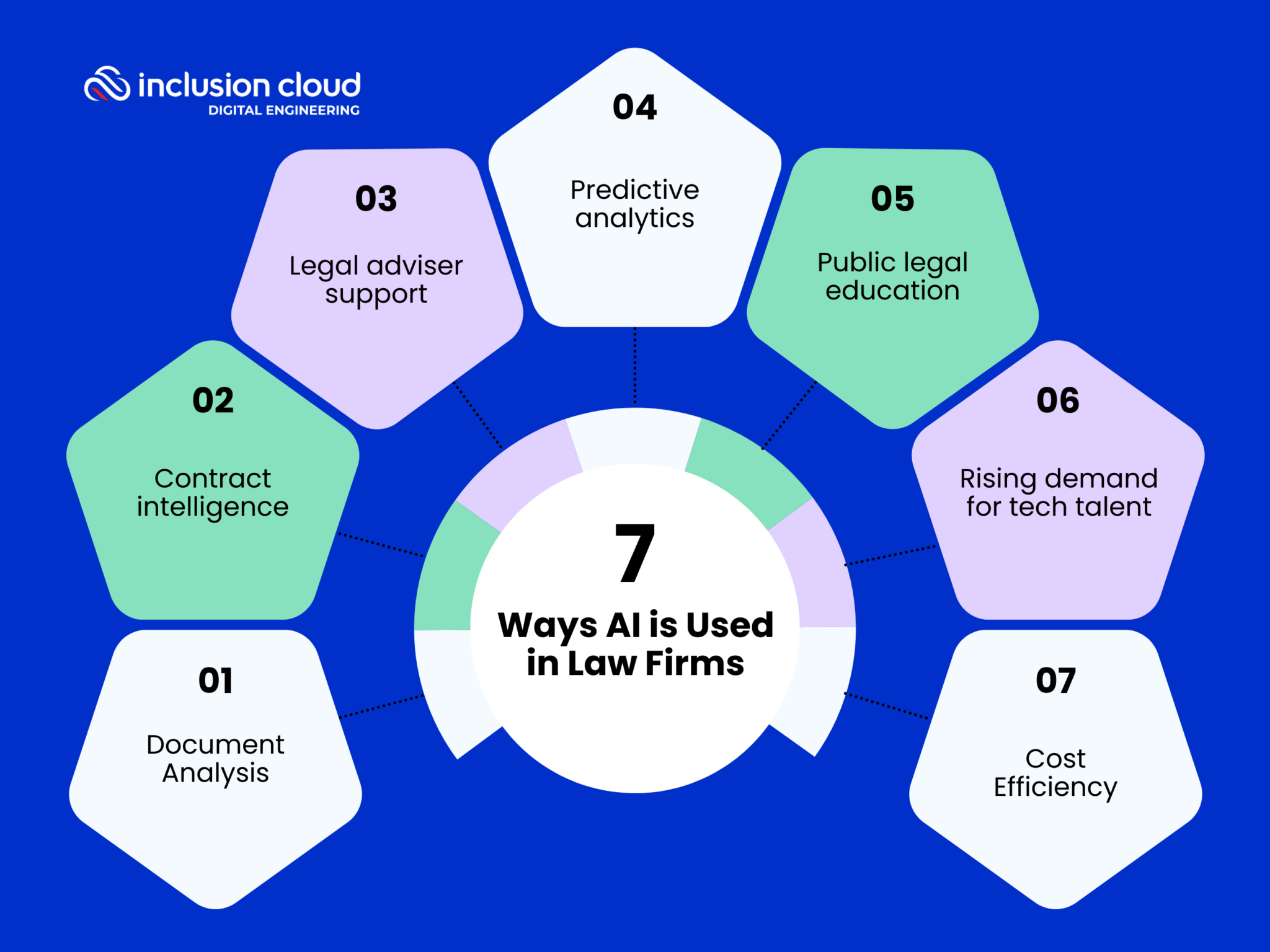
AI in Law: Is Artificial Intelligence Your Future Lawyer?