A person who feels sluggish might experience fatigue, lethargy, or a lack of motivation, but what exactly is driving this feeling in our minds and bodies? According to modern psychology, sluggishness can be a complex phenomenon rooted in various factors, from our internal environment to external circumstances.
Defining Sluggishness
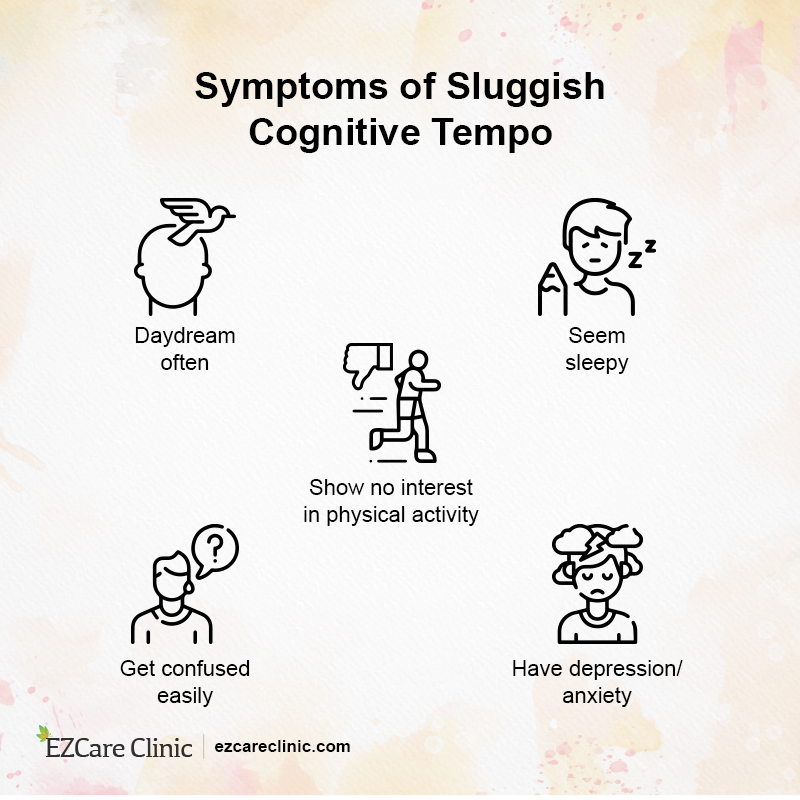
Imagine being in a state where time seems to slow down, and every task feels daunting. This is what it's like to be sluggish. Modern psychology views sluggishness as a multifaceted concept that encompasses both physical and mental aspects. It's not just about feeling tired; it's a state of disengagement, where our bodies and minds are struggling to cope with the demands of daily life.

Causes of Sluggishness
So, what causes this feeling of being stuck in neutral? Research suggests that several factors contribute to sluggishness. One major player is poor sleep quality. When we don't get enough restful sleep, our bodies and brains can't function optimally, leading to feelings of exhaustion and disengagement. Other contributing factors include stress, anxiety, depression, and a diet that's lacking in essential nutrients.
Physical and Emotional Consequences
Sluggishness can have far-reaching consequences on both our physical and emotional well-being. Chronically feeling sluggish can lead to a range of health problems, including weight gain, cardiovascular issues, and a weakened immune system. On the emotional side, sluggishness can contribute to feelings of low self-esteem, mood swings, and a lack of motivation, making it challenging to tackle daily tasks and maintain relationships.
Taking Control of Sluggishness
While sluggishness can be a challenging cycle to break, there is hope for improvement. By addressing the root causes of sluggishness, such as poor sleep, stress, and a nutrient-poor diet, we can start to regain control over our lives. Simple changes, like establishing a consistent sleep schedule, practicing stress-reducing techniques, and incorporating a balanced diet, can help us feel more energized and focused.
Seeking Support
If you're struggling with feelings of sluggishness that persist or interfere with your daily life, don't hesitate to seek support. Consulting with a healthcare professional can help you identify the underlying causes of your sluggishness and develop a personalized plan to overcome it. By working together, you can regain your energy, motivation, and overall sense of well-being.
Take the First Step
Breaking the cycle of sluggishness requires patience, persistence, and a willingness to make positive changes. Start by taking small steps towards a healthier lifestyle. Listen to your body, respect its needs, and prioritize self-care. By doing so, you'll be better equipped to tackle the challenges of daily life and unlock your full potential.
Young Man Who Is Tired And Sluggish. 32330687 Stock Video At Vecteezy

Young man who is tired and sluggish. 32330687 Stock Video at Vecteezy
15 Signs You Have A Sluggish Liver 2024 - Maxwell Person

15 Signs You Have a Sluggish Liver 2024 - Maxwell Person
Sluggish
Sluggish
Messy And Lazy Man Is Sick, Sneezing, Not Well. The Sluggish Young Man

Messy and lazy man is sick, sneezing, not well. The sluggish young man ...