California corporations filing Form 100 face a dense set of rules that can erode profit if overlooked. By following the state‑specific instructions, leveraging available credits, and tightening record‑keeping, businesses can shave a measurable percentage off their tax bill without triggering an audit. Below is a brief, action‑oriented rundown of what busy owners need to know today.
Grasp the Filing Framework
Form 100, the corporate income‑tax return, must be submitted by the 15th day of the fourth month after the close of the fiscal year—typically April 15 for calendar‑year filers. The California Franchise Tax Board (FTB) permits electronic filing through CalFile or an approved third‑party provider, which reduces processing time and guarantees acknowledgment of receipt. If an extension is requested, the deadline moves to the 15th day of the seventh month, but any tax due remains payable by the original due date to avoid penalties.
Pinpoint Deductions and Credits Unique to California
Beyond the federal deduction pool, California offers several credits that directly lower the tax liability on Form 100. The research‑and‑development (R&D) credit, for instance, can offset up to 15 % of qualified expenses, while the low‑income housing credit rewards projects that allocate units to affordable housing. Additionally, the California Competes Tax Credit rewards businesses that create new jobs or make capital investments in designated zones. Each credit carries a separate application and documentation schedule; timing the submission correctly prevents a missed opportunity.
Streamline Recordkeeping Early in the Fiscal Year
Effective tax‑saving starts with how receipts are organized. Adopt a cloud‑based accounting platform that tags expenses by category (e.g., “qualified R&D,” “energy‑efficiency upgrades”). This practice not only speeds up the year‑end reconciliation but also creates a ready audit trail for the FTB’s occasional compliance checks. Retaining electronic copies for at least seven years satisfies both California and federal record‑retention mandates.
Use Digital Filing Tools to Cut Errors
Electronic filing software built for California returns includes built‑in validation that flags missing schedules, mismatched totals, or omitted signatures before the return is transmitted. Leveraging these tools eliminates common manual errors that would otherwise trigger a “deficiency notice.” Moreover, e‑filing automatically generates a receipt with a unique confirmation number—critical proof that the return was filed on time.
Watch for Frequently Overlooked Pitfalls
- Underpayment of estimated tax. California requires quarterly estimates; falling short by more than 25 % of the prior year’s liability incurs a penalty.
- Misclassifying fringe benefits. Certain employer‑provided benefits, such as qualified transportation assistance, are exempt, but only when reported correctly on Schedule C.
- Neglecting the “California Adjusted Gross Income” (CA AGI) reconciliation. Discrepancies between federal AGI and CA AGI can trigger a re‑calculation of tax owed.
Actionable Takeaways
- Mark your calendar for the April 15 filing deadline or the extension date of July 15, and set automated reminders in your accounting system.
- Run a quarterly credit eligibility check—R&D, low‑income housing, and Competes credits each have distinct eligibility windows.
- Adopt a cloud receipt manager that categorizes expenses in real time; export reports at year‑end for easy insertion into Form 100 schedules.
- File electronically through CalFile or a certified provider; double‑check the built‑in validation before submitting.
- Schedule a brief review with a California‑licensed CPA before the deadline to confirm estimated‑tax payments and CA AGI adjustments.
By embedding these steps into the regular financial workflow, California corporations can transform what is often a burdensome compliance exercise into a predictable, savings‑generating routine. The bottom line: a disciplined approach to the Form 100 instructions not only prevents penalties but also unlocks credits that keep more cash in the business.
Drainage Systems Diagram Shows Proper And Improper Methods With Pipes
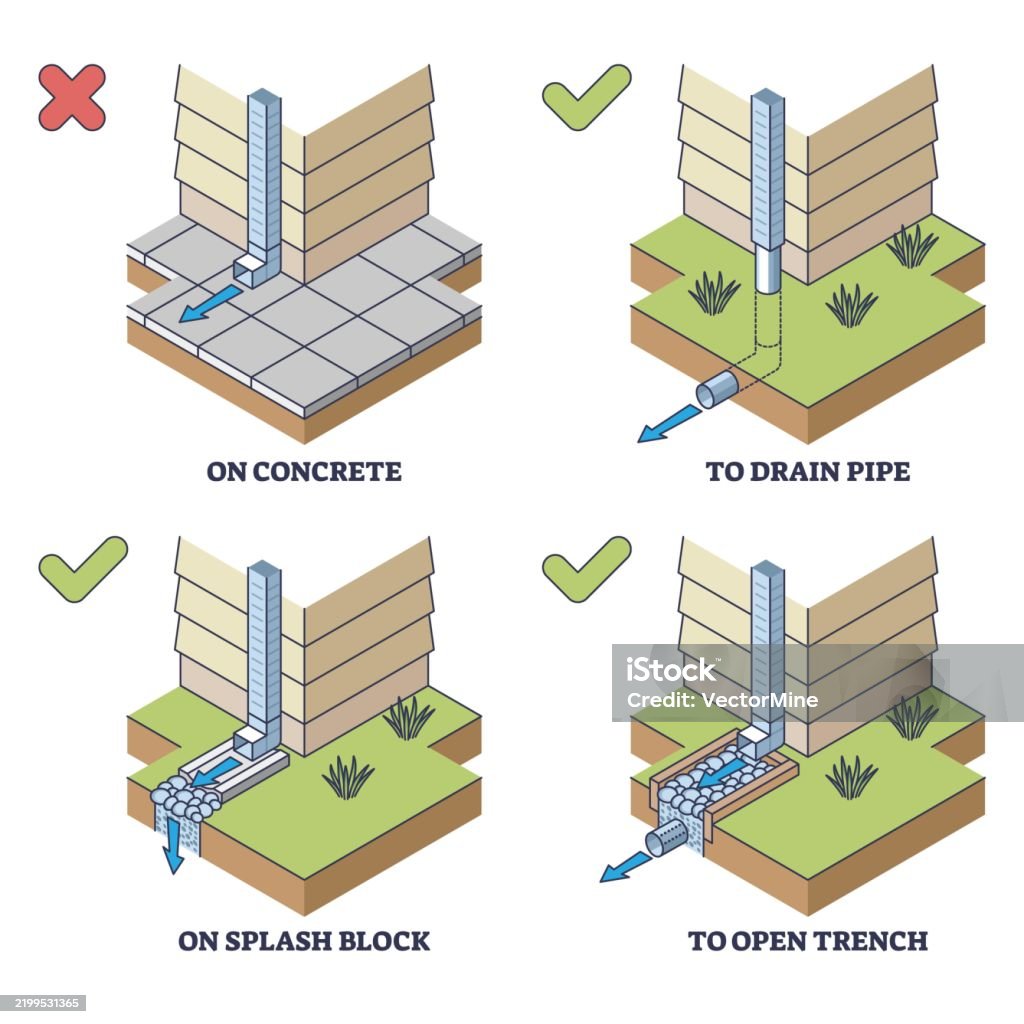
Drainage Systems Diagram Shows Proper And Improper Methods With Pipes ...
An Overview Of Trenching And Excavation Safety Guidelines By OSHA

An Overview of Trenching and Excavation Safety Guidelines by OSHA
Install Trench Channel Drain For Effective Water Diversion
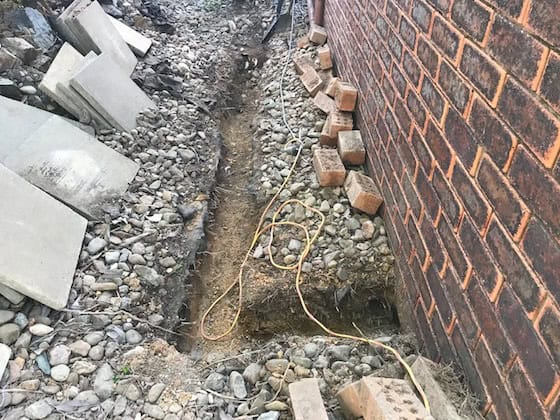
Install Trench Channel Drain for Effective Water Diversion
Trench Supports - Core Drilling

Trench Supports - Core Drilling
Concrete Trench Drain Systems - Swiftdrain Trench Drain Systems - All

Concrete Trench Drain Systems - Swiftdrain Trench Drain Systems - All ...