Experienced hobbyists who tinker with visual design platforms often hit a roadblock when trying to adapt pre‑made Raindrops templates to specific project needs. The most common frustrations—rigid layout constraints, limited color control, and obscure animation settings—can be resolved by learning a handful of proven techniques. This article distills those insider methods, showing how to turn a stock Raindrop into a tailored asset without compromising performance or visual integrity.
Why Do Standard Raindrops Templates Feel Restrictive?
Most template libraries prioritize quick deployment over deep customizability. Designers receive a ready‑made drop shape, a preset gradient, and a single easing curve, then expect the user to accept the result as‑is. For hobbyists who need brand‑specific palettes, motion synced to audio, or integration with interactive dashboards, those defaults become obstacles. The underlying cause is usually threefold: hard‑coded SVG paths, locked CSS variables, and a lack of modular component exposure.
How Can You Unlock the Underlying Structure?
Begin by extracting the template’s source files. Most platforms allow you to download the SVG and accompanying style sheet. Open the SVG in a vector editor (such as Inkscape or Adobe Illustrator) and look for grouped elements labeled drop‑group or similar. By ungrouping these layers, you expose individual paths that can be reshaped, combined, or removed entirely. Simultaneously, copy any CSS custom properties (e.g., --raindrop-color) into a separate stylesheet; this creates a clean override point without altering the original file.
Which Color Strategies Preserve Visual Cohesion?
When replacing the default gradient, replicate the original stop distribution to keep the drop’s depth perception intact. Use a tool like Coolors to generate a palette that matches your project’s branding, then map the new colors onto the existing stop ratios. For a more dynamic approach, bind the gradient stops to JavaScript variables, allowing real‑time color shifts based on user interaction or data input.
What Animation Tweaks Deliver Smooth Performance?
Standard templates often rely on the transition property, which can cause jank on lower‑end devices. Replace transitions with the Web Animations API, where you can define precise keyframes and control playback rates. For example, setting a duration of 350 ms with an easing of cubic-bezier(0.42,0,0.58,1) reproduces the original feel while granting you timeline access for pause or reverse actions. Test the animation across browsers using the browser’s performance panel to ensure frame rates stay above 55 fps.
How Do You Integrate Raindrops Into Complex Layouts?
Once the SVG is modular, embed it as an <object> or inline <svg> within your HTML. Apply a parent container with display:flex or grid to control placement relative to other UI elements. If you need the drops to respond to scroll position, hook into the Intersection Observer API and toggle the animation class when the element enters the viewport. This method eliminates the need for heavy JavaScript scroll listeners while preserving battery life on mobile devices.
What Are the Best Practices for Maintaining Custom Templates?
Document every change in a version‑controlled repository. Include a README that outlines which CSS variables are exposed, the expected animation timeline, and any JavaScript hooks used for dynamic color or motion updates. When sharing the customized template with fellow hobbyists, package the SVG, stylesheet, and a minimal demo HTML file. This transparency not only aids troubleshooting but also encourages community contributions that can further refine the template.
What Impact Does Mastering These Techniques Have?
By breaking the constraints of default Raindrops templates, hobbyists transition from passive consumers to active creators. Projects ranging from kinetic data visualizations to branded interactive presentations gain a distinct visual edge, while performance remains smooth across devices. The insider secrets outlined here empower you to customize with confidence, turning a simple raindrop into a versatile design component that reflects your unique creative vision.
Cache Clim Design Pour Embellir Climatiseur Ou Pompe à Chaleur

Cache clim design pour embellir climatiseur ou Pompe à chaleur ...
Cache Climatiseur Extérieur Gris Ultra-Résistant
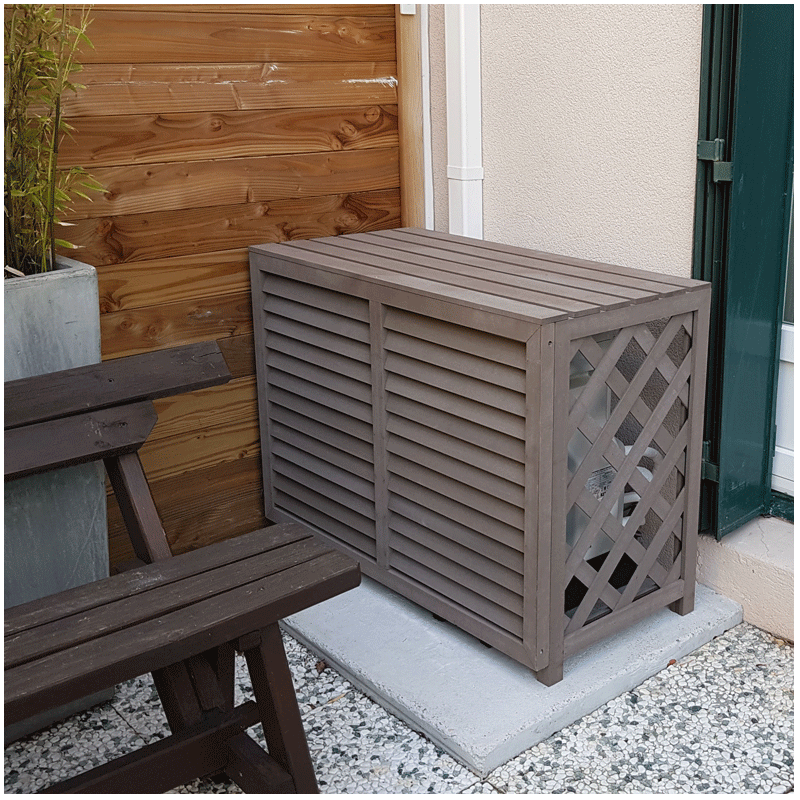
Cache Climatiseur Extérieur Gris Ultra-Résistant
Cache Climatiseur Extérieur Mural En Bois Brun Quetzal

Cache Climatiseur Extérieur Mural en Bois Brun Quetzal
COFFRE CLIM - Cache Clim & Cache Pompe à Chaleur - Boutique En Ligne
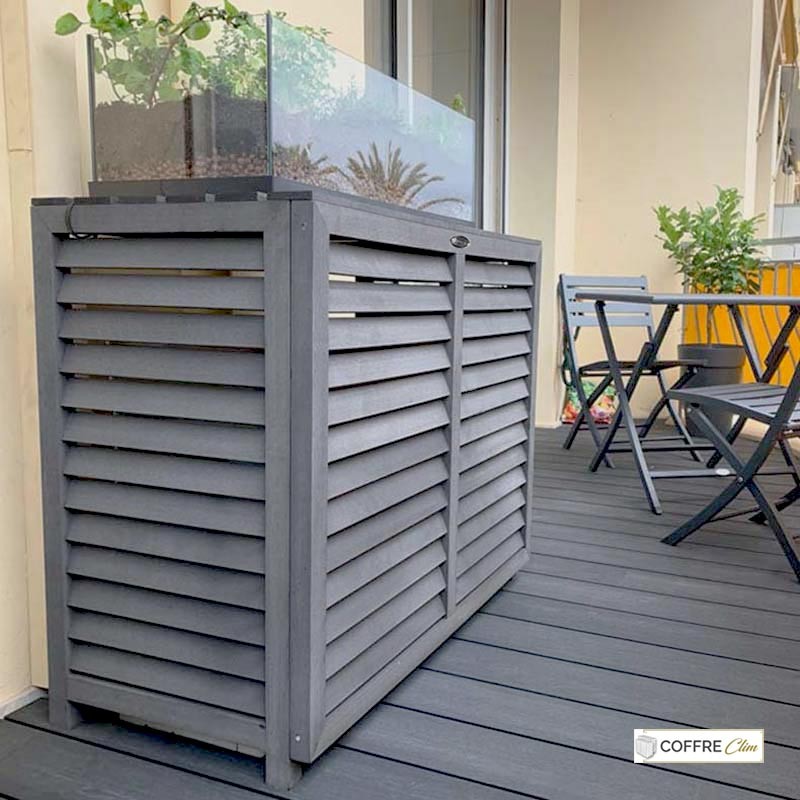
COFFRE CLIM - Cache Clim & Cache Pompe à Chaleur - Boutique en ligne
Cache Climatiseur En Bois Pour Une Décoration Extérieure élégante

Cache climatiseur en bois pour une décoration extérieure élégante ...