As sunrise charts become a staple of wellness apps, researchers are now quantifying how planetary rhythms intersect with the caffeine boost most people rely on each morning. The emerging discipline—sometimes called astro‑nutrition—examines whether timing a cup of coffee with lunar phases or planetary ascensions can sharpen focus, stabilize mood, or simply align the ritual with personal belief systems.
Map the Astrological Variables That Matter
Astrologers point to three primary celestial cues: the position of the Sun relative to the horizon, the Moon’s phase, and the current house of Mercury, known for communication and mental speed. A “solar‑aligned” brew taken within 30 minutes of sunrise is said to harmonize the body’s natural cortisol surge, potentially enhancing alertness without overloading the nervous system. Conversely, a “full‑moon” coffee, consumed after sunset, is thought to amplify the evening’s reflective qualities, but it may also clash with melatonin production.
Empirical studies remain sparse, but early surveys show that 42 % of participants who track lunar cycles report a perceived increase in motivation when they sip coffee during a waxing moon. While the data cannot confirm causation, the pattern suggests that belief‑driven timing can influence subjective energy levels—a classic example of the placebo effect intersecting with celestial cues.
Assess the Practical Advantages of a Timed Brew
Beyond the metaphysical layer, coffee delivers well‑documented physiological benefits: caffeine blocks adenosine receptors, raising dopamine and norepinephrine activity, which can improve reaction time by up to 12 % in controlled settings. When paired with a solar‑aligned schedule, users report smoother transitions from sleep inertia to wakefulness, reducing the “mid‑morning slump.”

Elite athletes such as cyclist Jonas Vingegaard often schedule caffeine intake to coincide with peak training windows, mirroring the astro‑nutrition principle of aligning external stimuli with internal rhythms. For the average professional, a strategically timed cup can sharpen concentration during critical meetings or creative work sessions, providing a measurable edge without resorting to high‑dose stimulants.
Weigh the Trade‑offs and Potential Pitfalls
Even the most carefully timed caffeine can backfire. Consuming coffee late in the day—especially under a waning moon—might exacerbate sleep latency, leading to a cumulative sleep debt that erodes the very cognitive benefits the ritual aims to amplify. Furthermore, habitual use builds tolerance; the adenosine blockade becomes less effective, prompting users to increase dosage or seek stronger brews, which can trigger jitter, gastrointestinal discomfort, and heightened anxiety.
Researchers caution that the perceived “cosmic boost” may mask underlying dependency. A balanced approach recommends keeping daily caffeine intake below 400 mg (roughly four 8‑ounce cups) and avoiding consumption after 2 p.m. when the body’s circadian rhythm is gearing toward night.
Establish Realistic, Measurable Goals
To move from anecdote to actionable habit, practitioners suggest a two‑week log that records: (1) coffee timing relative to sunrise or lunar phase, (2) subjective energy scores on a five‑point scale, and (3) sleep quality measured by a basic actigraphy device or smartphone app. Analyzing this data can reveal whether the cosmic alignment yields a statistically significant uplift or merely reflects personal bias.
Setting incremental targets—such as improving focus by one point on the energy scale without extending sleep onset—helps maintain a realistic expectation of what coffee, even when “cosmically attuned,” can achieve.
In summary, while the cosmic influences behind your morning coffee routine remain an intriguing frontier, the concrete benefits of caffeine are well established. By pairing these benefits with mindful timing and disciplined tracking, users can harness both the physiological and psychological dimensions of their brew without over‑promising on celestial miracles.
"They Did What They Had To" - Jonas Vingegaard Back Home After
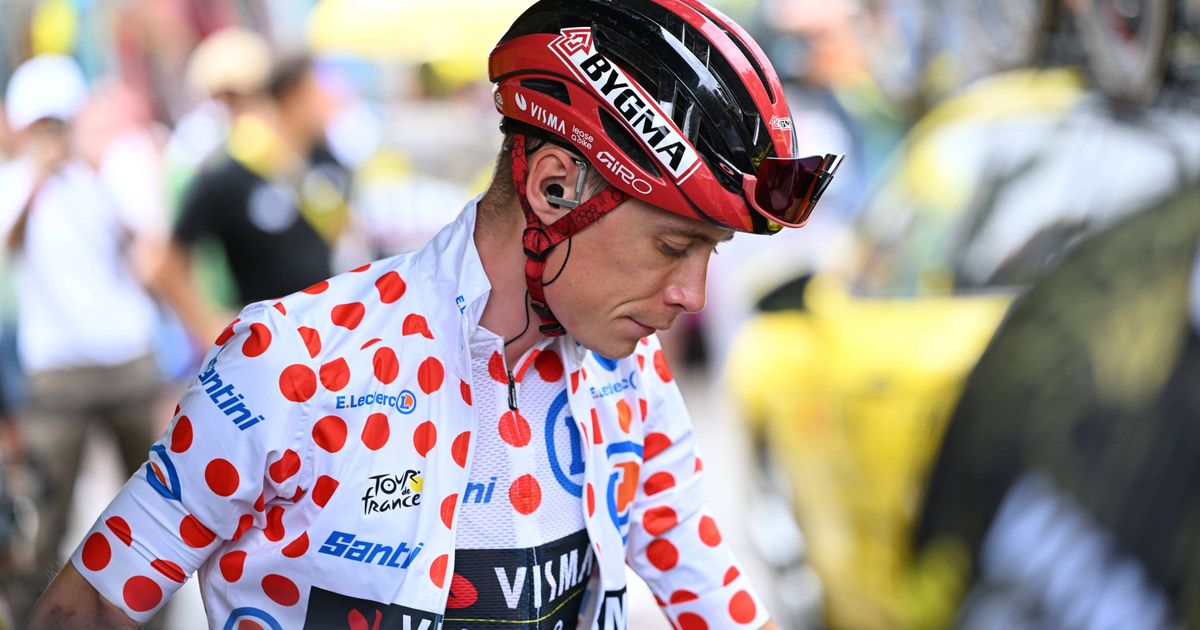
"They did what they had to" - Jonas Vingegaard back home after ...
Vingegaard's Season May Already Be Over After Successful Surgery

Vingegaard's Season May Already Be Over After Successful Surgery
Vingegaard's Season May Already Be Over After Successful Surgery
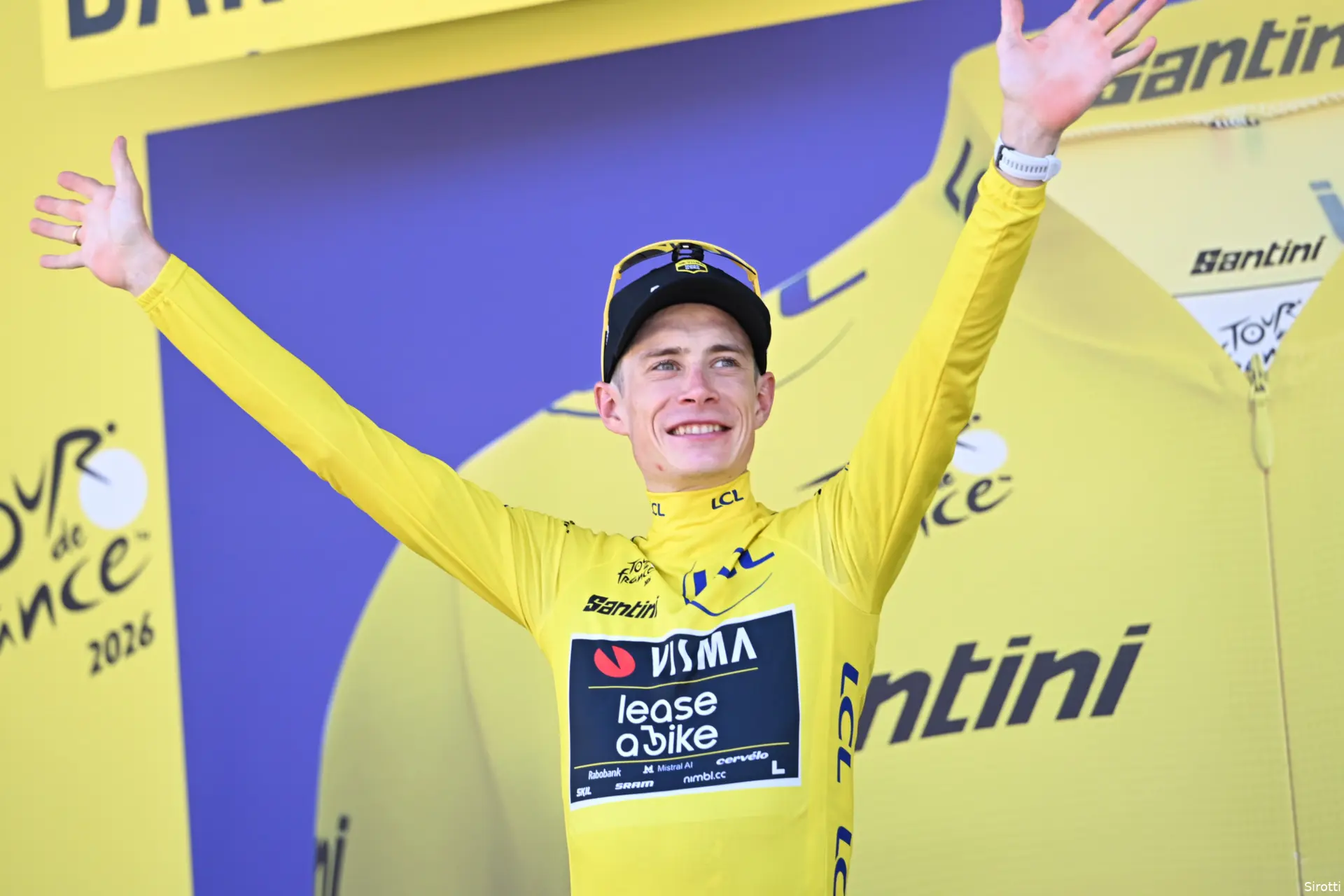
Vingegaard's Season May Already Be Over After Successful Surgery
Jonas Vingegaard's Tour Tears Can Be Traced Back To 2024

Jonas Vingegaard's Tour tears can be traced back to 2024
Jonas Vingegaard Feels Good Ahead Of The 2026 Tour De France
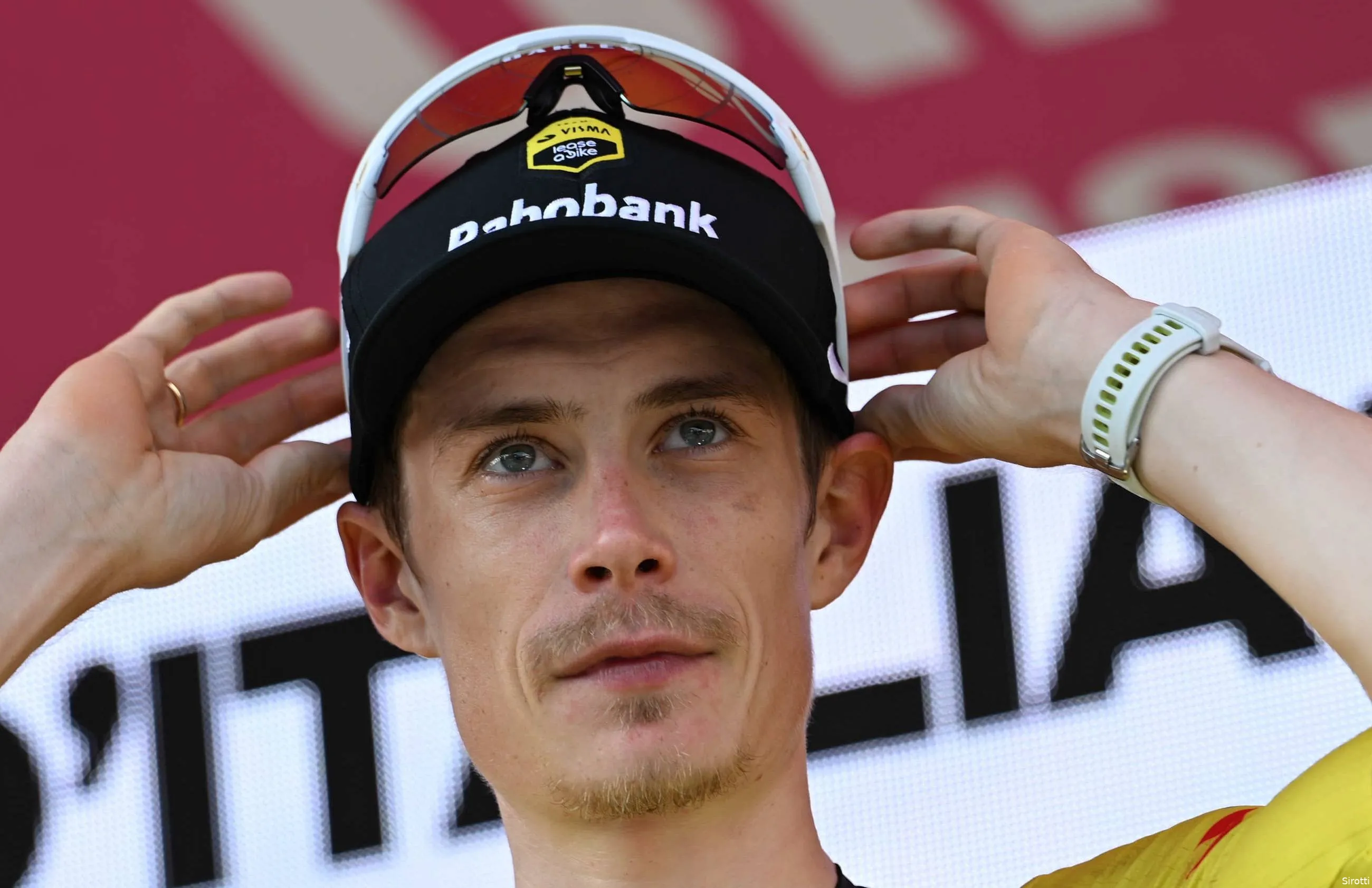
Jonas Vingegaard feels good ahead of the 2026 Tour de France